Contract assembly services are strategic outsourcing solutions where a third-party provider joins components and sub-assemblies to create finished products. These services help businesses streamline operations and reduce capital investment by leveraging external manufacturing expertise and specialized equipment. By delegating assembly tasks to a partner, companies can scale production effectively while maintaining high quality standards.
Maintaining a high-volume production line while managing labor costs and quality control can strain even the most efficient operations. When assembly bottlenecks begin to stifle your growth or compromise the rugged precision your customers demand, the logistical burden often outweighs the benefits of keeping everything in-house. Strategic outsourcing is not merely a cost-cutting measure; it is a vital maneuver to reclaim your focus on core innovation and market expansion. In this guide, we examine the fundamental differences between fabrication and assembly, and we clarify the specific roles of sub-assembly in modern manufacturing. You will learn the critical triggers that signal a need for external support, how to evaluate a partner for demanding environments, and the best practices for mitigating the risks associated with third-party integration. We provide the technical clarity you need to transform your production cycle into a streamlined, high-performance asset.
The Strategic Shift to Contract Assembly and Sub-Assembly
Scaling a production operation often reveals a common bottleneck. While a business may have mastered the art of fabricating individual components, the process of putting it all together frequently becomes the primary constraint on growth. As order volumes increase, the floor space, specialized labor, and rigorous quality control required for final integration can overwhelm internal resources. This shift in operational focus marks the point where contract assembly services become a strategic lever for expansion.
Contract assembly is the process of partnering with a third party to manage the labor, specialized tooling, and quality assurance necessary to build a finished product or complex component. By outsourcing these tasks, businesses can focus on core competencies like design and market development while ensuring their hardware meets exacting standards. It removes the burden of managing high density assembly lines and allows for more flexible production schedules.
At Duchesne Manufacturing, we provide dependable manufacturing and production solutions designed for durability and real world performance. Our approach to assembly prioritizes repeatable precision, ensuring that every unit leaving our Utah facility matches the original specification. Through a culture of accountability and attention to detail, we help clients transform individual parts into high performing units that withstand demanding industrial environments. This strategic shift allows companies to scale with confidence, knowing their production support is managed by experts focused on consistency.
Fabrication vs Assembly: Understanding the Fundamental Difference
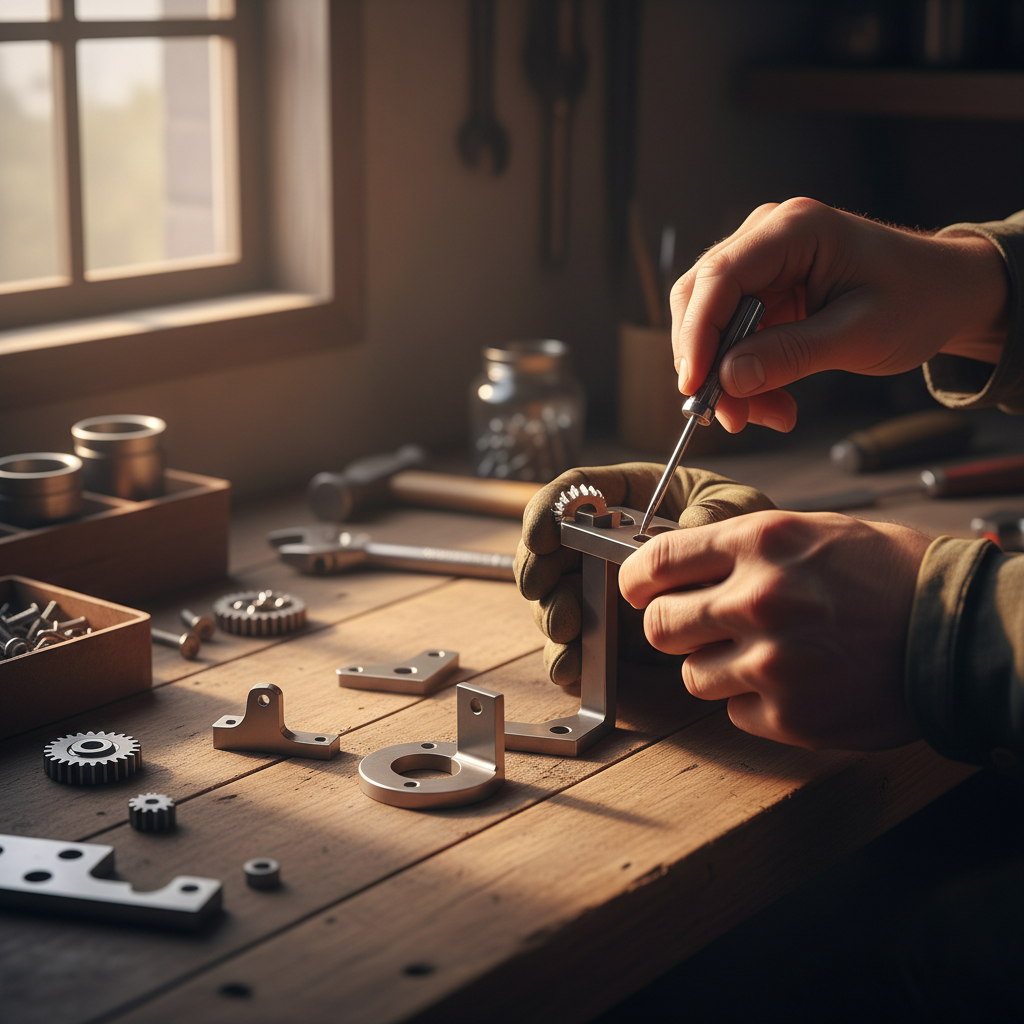
To optimize a production line, a business owner must first distinguish between two distinct phases of manufacturing: fabrication and assembly. While these terms are often used interchangeably in casual conversation, they represent different operational requirements, skill sets, and equipment. Understanding this distinction is vital for determining which parts of the production process should stay in-house and which are better suited for contract assembly services.
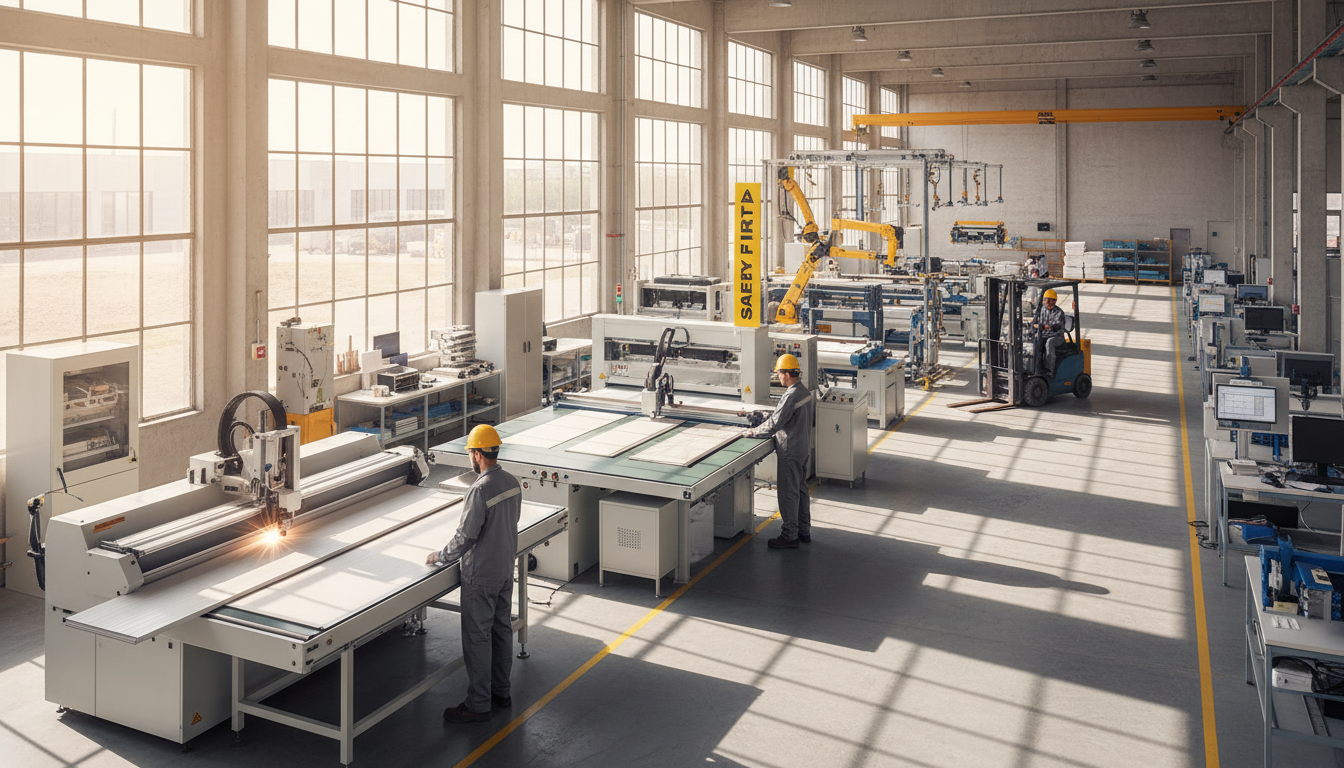
Fabrication is the process of creating individual parts from raw materials. This is typically a subtractive or transformative process where raw stock, such as sheet metal, tube steel, or bar stock, is modified to reach a specific geometry. Common fabrication tasks include laser cutting, precision bending, and welding. Fabrication is where the individual components of a product are born; it is the stage where raw material is turned into a tangible part.
Assembly is the subsequent process of joining those fabricated parts into a cohesive, functional unit. While fabrication focuses on the creation of the pieces, assembly focuses on the integration of those pieces using fasteners, adhesives, or mechanical joints. The primary difference lies in the input: fabrication begins with raw material, while assembly begins with finished components.
Consider the production of a heavy-duty industrial trailer. The fabrication phase involves cutting the steel beams for the frame, bending the side panels, and welding the structural supports. The assembly phase follows, where the axles are bolted on, the lighting harness is routed, the flooring is installed, and the hitch is secured. Fabrication builds the skeleton, but assembly creates the drivable, functional machine.
Unlike electronics-focused PCB assembly, mechanical and metal-heavy assembly requires a focus on structural integrity and ruggedness. It involves managing torque specifications for heavy fasteners, ensuring precise alignment of large components, and maintaining the accountability and attention to detail required for products that must perform in harsh environments. If your facility is currently overwhelmed by the labor-intensive task of final integration, it may be time to contact our team in Duchesne to discuss how specialized production support can streamline your workflow.
Contract Assembly vs Sub-Assembly: Which Does Your Business Need?
Determining whether to outsource a portion of a build or the entire production run depends on where your internal team provides the most value. Sub-assembly involves the construction of smaller, functional units that act as modules within a larger system. For instance, a heavy equipment manufacturer might outsource the creation of pre-wired control panels or complex pump housings. These modules are delivered to the OEM ready for immediate installation; this allows the primary facility to focus on high-level integration rather than getting bogged down in tedious, small-scale component builds.
Contract assembly typically refers to the final stage of the manufacturing cycle. In this scenario, the partner manages the entire process until the product is boxed and ready for the end-user. This is a comprehensive solution for businesses that want to offload the logistical and labor requirements of final production entirely.
Service Type | Scope of Work | Primary Outcome |
|---|---|---|
Sub-Assembly | Modular units or functional components | Integration-ready "building blocks" |
Contract Assembly | Final product integration and packaging | End-user ready products |
For many Original Equipment Manufacturers (OEMs), sub-assembly services offer a significant reduction in lead times. By delegating specialized mechanical or electrical modules to a partner that prioritizes accountability and attention to detail, an OEM can run parallel production tracks. This prevents the final assembly line from sitting idle while waiting for a single complex component to be completed. Utilizing these dependable manufacturing and production solutions ensures that the most time-consuming parts of the build are handled by a dedicated team. This approach keeps the overall workflow lean and allows your internal staff to stay focused on the final quality checks that matter most to your customers.
When to Outsource: Key Triggers for Business Owners
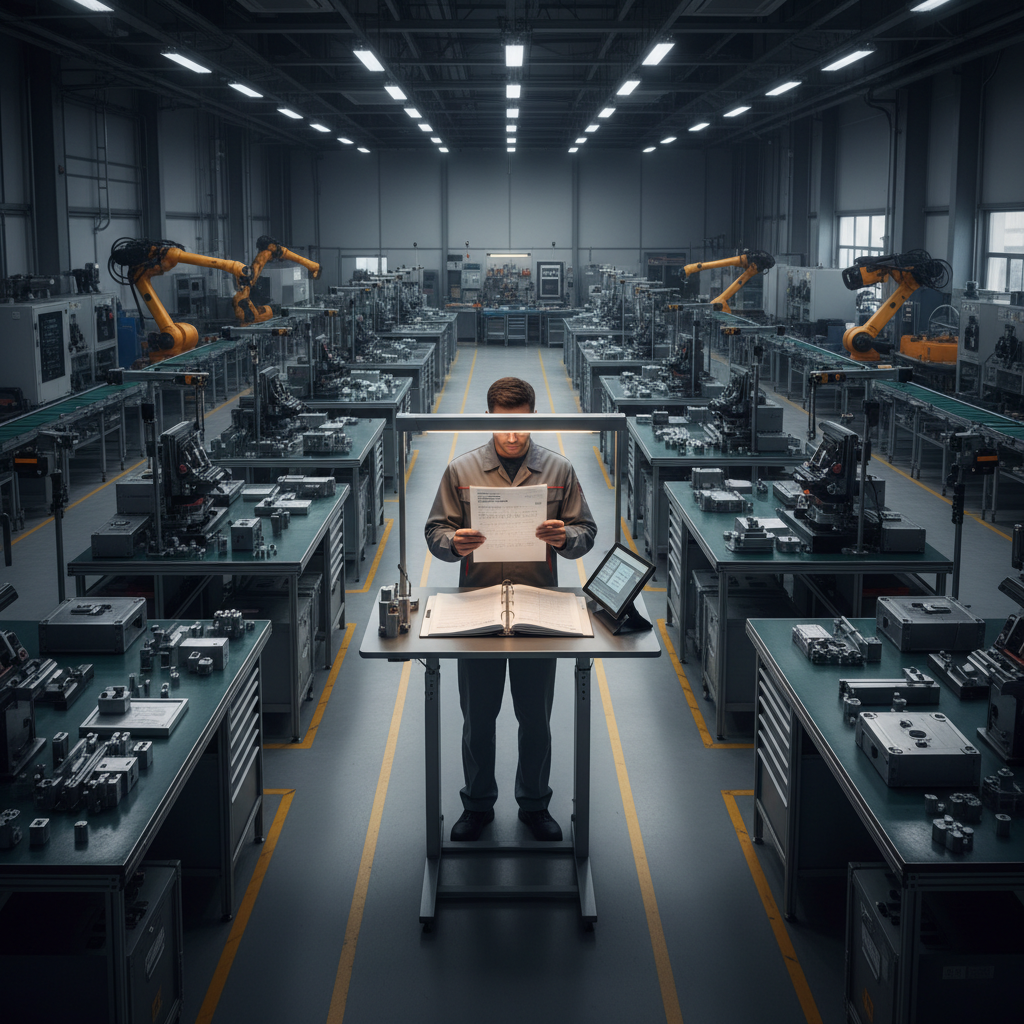
Deciding when to transition from in-house production to external assembly requires a practical evaluation of operational bottlenecks. While keeping assembly close may feel like maintaining control, it often masks inefficiencies that hinder long-term growth. Business owners typically encounter three primary triggers that signal the need for a shift.
First, labor logistics often become unsustainable. The high cost of recruiting and training specialized production support technicians can drain management resources and increase overhead. If your team spends more time managing assembly turnover than refining product design, outsourcing provides immediate relief. Second, facility constraints often dictate the pace of growth. Assembly is space intensive; it requires workbenches, storage for hardware, and staging areas for finished units. When these requirements encroach on square footage needed for high value fabrication or R&D, moving assembly off-site maximizes the utility of your own facility.
Third, scalability requirements often outstrip fixed internal capacity. Seasonal spikes or large, sudden contracts can force a choice between missing deadlines or compromising quality. Utilizing contract assembly services allows for a flexible production model where capacity adjusts to demand without the burden of permanent overhead.
Duchesne Manufacturing manages this transition by providing comprehensive production support that emphasizes accountability and attention to detail. By integrating our repeatable production methods into your workflow, we ensure that scaling up does not come at the expense of precision or durability. If your current floor plan or headcount is limiting your ability to take on new business, it may be time to contact our team in Duchesne to evaluate a more efficient path forward.
The Benefits of Rugged Precision in Demanding Environments
Efficiency, however, must not come at the cost of durability. Generic assembly lines often prioritize speed over structural integrity. While a high-volume shop might be suitable for consumer goods, industrial products operating in the oil field, agriculture, or heavy construction require a different standard of care. Rugged precision is the baseline for hardware that must survive extreme temperature swings, constant vibration, and corrosive conditions.
At Duchesne Manufacturing, we focus on real world performance by treating every fastening and joint as a potential failure point. Assembly for demanding environments requires repeatable production methods that go beyond just following a basic instruction manual. It involves strict adherence to torque specifications, the proper application of industrial adhesives, and the precise alignment of heavy metal components. When you utilize contract assembly services for rugged gear, you are hiring a partner who takes accountability and attention to detail seriously. We understand that a loose bolt or a misaligned seal in the factory leads to a costly failure in the field.
Our approach ensures that every unit is built to a consistent quality standard, regardless of production volume. By focusing on dependable manufacturing and production solutions, we bridge the gap between a design on paper and a tool that performs under pressure. If your product must endure harsh environmental stressors, contact our team in Duchesne to discuss how our practical fabrication and assembly expertise can secure your brand’s reputation for durability.
How to Evaluate a Contract Assembly Partner
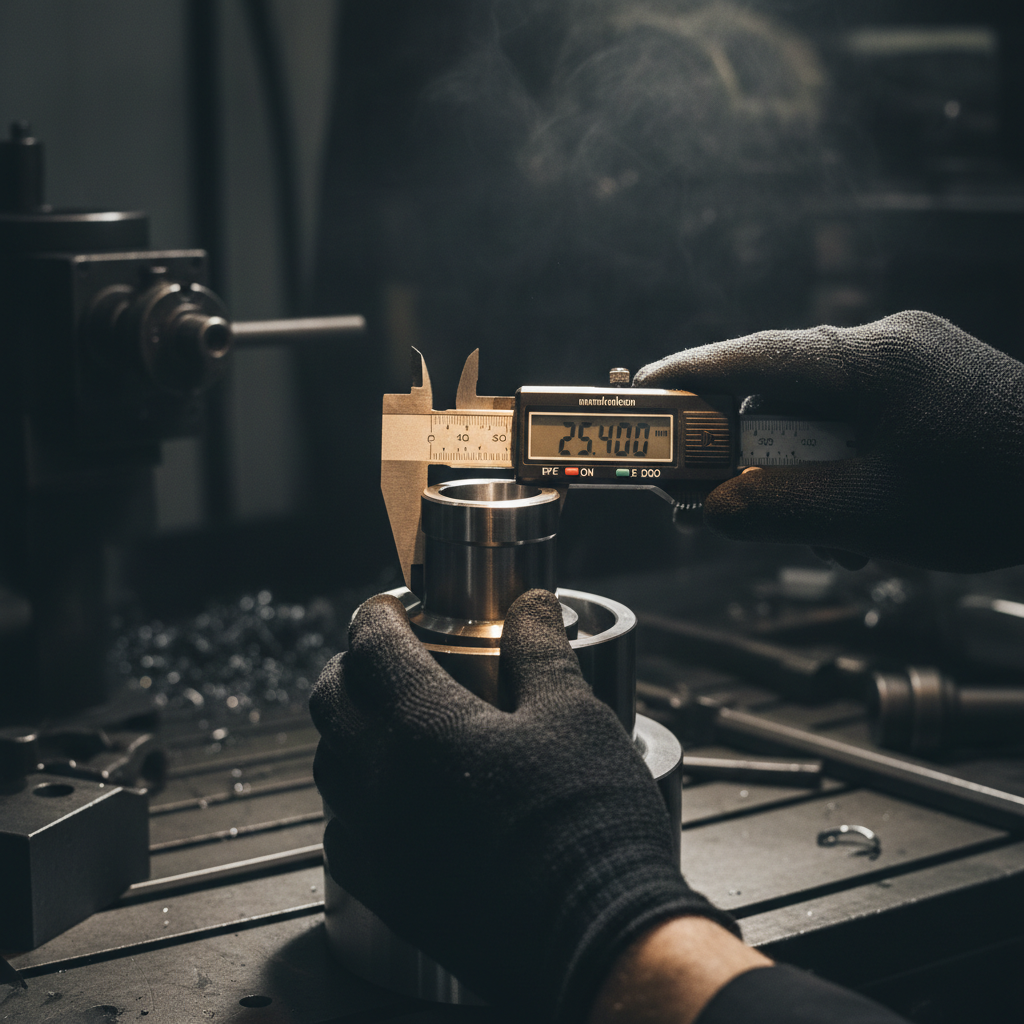
Evaluating a partner for contract assembly services requires looking past marketing claims and inspecting their actual floor standards. A shop that promises durability must prove it through verified measurement and documentation protocols. Use the following checklist to vet potential partners:
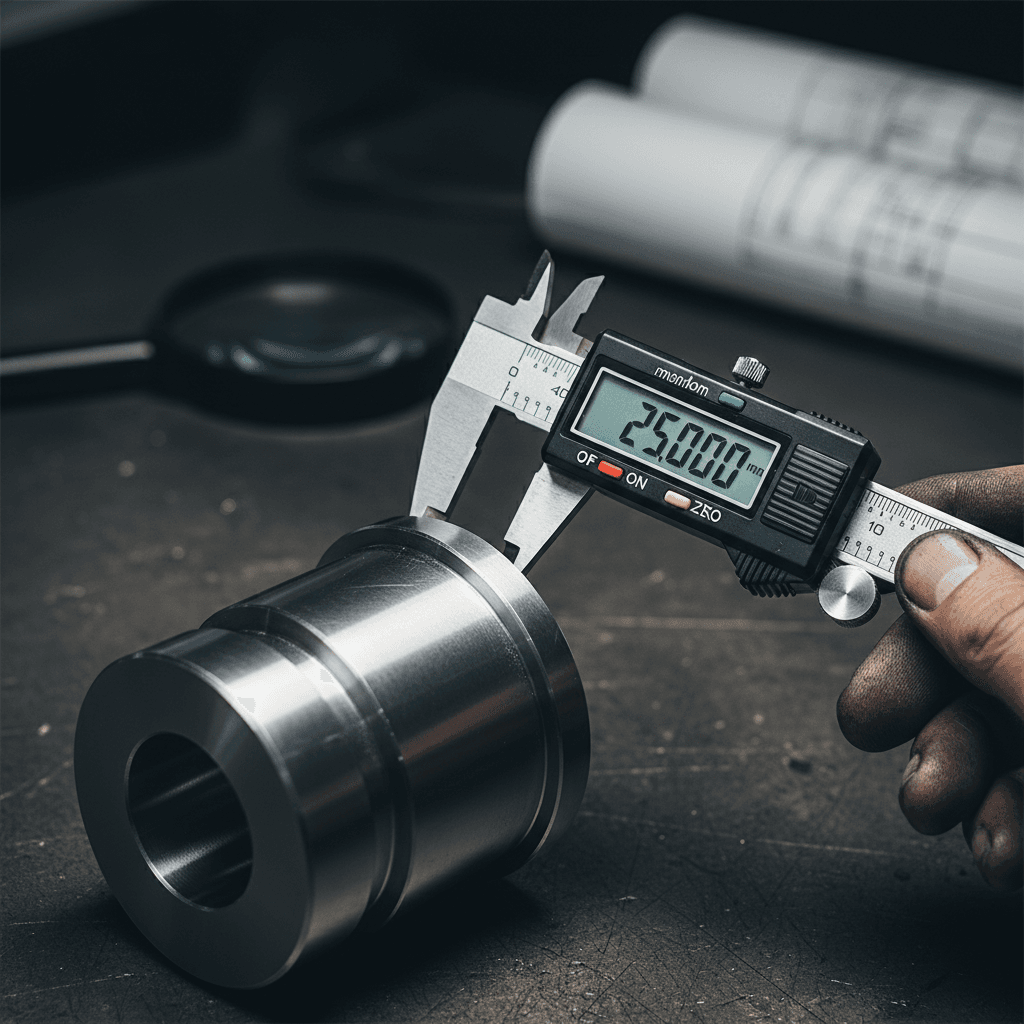
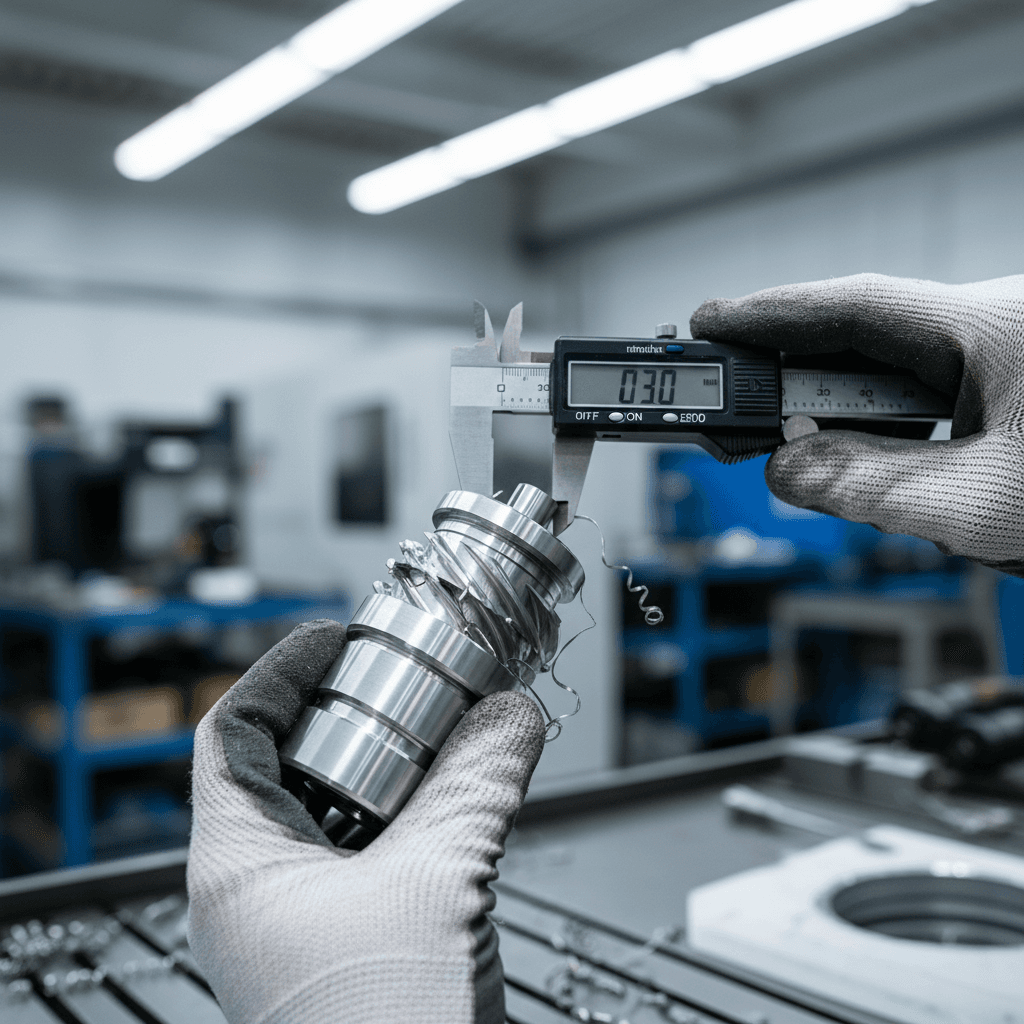
Precision Measurement Capabilities: Ask which tools are standard at every assembly station. A shop focused on rugged performance should regularly use calibrated digital calipers, micrometers, and thread gauges to ensure every bolt, fastener, and clearance meets the print. If a partner cannot explain their calibration schedule, they cannot guarantee repeatable precision.
Process Documentation: Inquire how they track progress through the shop. A reliable partner utilizes detailed build logs or traveler documents that record who worked on a unit and when specific quality checks were performed. This ensures accountability and attention to detail across the entire production run and allows for better troubleshooting if a field failure occurs.
Communication and Timeline Management: Look for a partner that provides proactive updates rather than reacting to inquiries. Direct access to production managers is essential for custom projects where design adjustments may happen mid-run. Accountability to timelines is a reflection of a shop's internal organization.
Geographic Proximity: Choosing a domestic partner, particularly one located in Utah, offers a distinct logistical edge. For heavy, high-durability products, shipping costs and lead times from overseas can erode margins quickly. A domestic facility allows for easier "first article" inspections and faster response times to market shifts.
By focusing on these practical markers, you ensure your dependable manufacturing and production solutions are grounded in reality. If you are ready to discuss your specific measurement and documentation requirements, contact our team in Duchesne to start a technical review of your project.
Mitigating Potential Downsides of Outsourcing
Transitioning to an external partner involves inherent risks, most notably quality variance and communication gaps. These common downsides of contract manufacturing occur when a provider lacks a deep understanding of the product's real world application. To mitigate these risks, the integration process must begin with a thorough Design for Manufacturability (DFM) review. This technical audit identifies potential assembly bottlenecks or structural weaknesses in the original design before production starts, ensuring the final unit meets durability standards.
Operational success relies on clear Service Level Agreements (SLAs) that define precise quality benchmarks. Rather than accepting generic promises, business owners should require documentation of specific tolerances and testing protocols. At Duchesne Manufacturing, we view these challenges as manageable variables through our commitment to accountability and attention to detail. We employ repeatable production methods and continuous improvement cycles to prevent the quality drift often associated with high volume shops. By prioritizing domestic, dependable manufacturing and production solutions, businesses can maintain tight feedback loops that eliminate the lag time found in overseas production. If you are concerned about maintaining oversight during your next build, contact our team in Duchesne to discuss how our documentation standards protect your product integrity and ensure high quality contract assembly services.
Outsourcing your assembly needs can transform your production cycle, allowing your team to focus on innovation and growth. Choosing a strategic partner ensures that your products meet high standards without the burden of internal overhead. If you are considering expert assistance for your next project, you can learn more about Duchesne Manufacturing and our commitment to quality. We are happy to discuss how our services can align with your specific business goals whenever you are ready to scale.