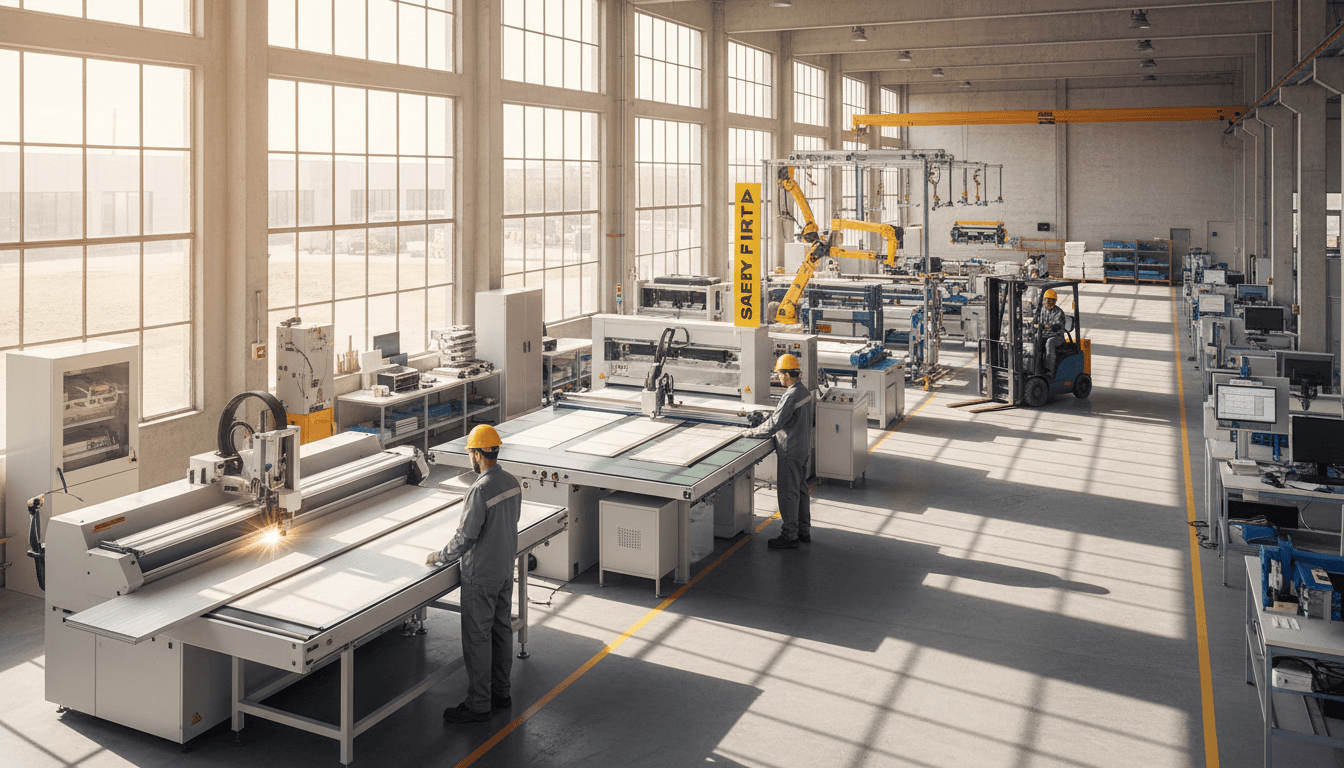
Metal fabrication cost typically ranges from $500 to $3,500 per project, with hourly labor rates averaging between $50 and $130 depending on the region. Total pricing is primarily driven by material selection, design complexity, and specific processing needs like laser cutting or welding. To minimize expenses, businesses should prioritize standard material thicknesses and simplify custom geometries to reduce labor time.
Navigating the financial landscape of custom metal fabrication often feels like chasing a moving target. For project managers and engineers, receiving wildly inconsistent quotes creates a significant hurdle in project planning; it forces a difficult choice between immediate savings and long term structural integrity. This lack of pricing transparency does more than complicate your spreadsheet; it introduces unnecessary risk to your operational timelines. At Duchesne Manufacturing, we prioritize clarity and technical excellence in every estimate. This guide provides a comprehensive breakdown of the variables that dictate your final invoice, including hourly labor benchmarks and material market fluctuations. You will discover how to evaluate the true cost of quality, identify hidden expenses in logistics, and apply strategic value engineering to ensure your project delivers maximum performance without exceeding its budgetary constraints.
Understanding the Baseline: Metal Fabrication Cost Per Hour and Project Averages
Starting a custom project requires a clear understanding of the financial landscape. Most clients begin their search by looking for a standard metal fabrication cost per hour or asking how much custom metal work costs for their specific application. As of 2026, national labor rates for skilled fabrication generally range from $75 to $150 per hour; this variance depends heavily on the complexity of the specialty and the geographic region. In the Intermountain West and along the West Coast, specifically for shops located in Utah, rates often stabilize between $80 and $110 per hour.
While hourly rates provide a baseline, project totals for standard custom jobs typically fall between $500 and $4,000. These are ballpark figures, as unique geometries or specialized materials can shift these numbers quickly. It is critical to distinguish between shop time and all-in project pricing to avoid budget surprises. Shop time refers strictly to the hours a technician spends cutting, bending, or welding your components. All-in pricing accounts for the entirety of the production cycle, including material procurement, machine setup fees, consumables, and quality inspections.
Choosing a precision fabrication partner involves looking beyond the hourly rate to see how efficiently those hours are utilized. A lower hourly rate is not a bargain if the shop lacks the equipment to minimize setup time or the expertise to avoid costly reworks. By focusing on manufacturing and production solutions that prioritize repeatable quality and efficient processes, businesses can better predict their total investment and ensure the final product meets the rigorous demands of the field.
The Primary Cost Drivers in Custom Metal Fabrication
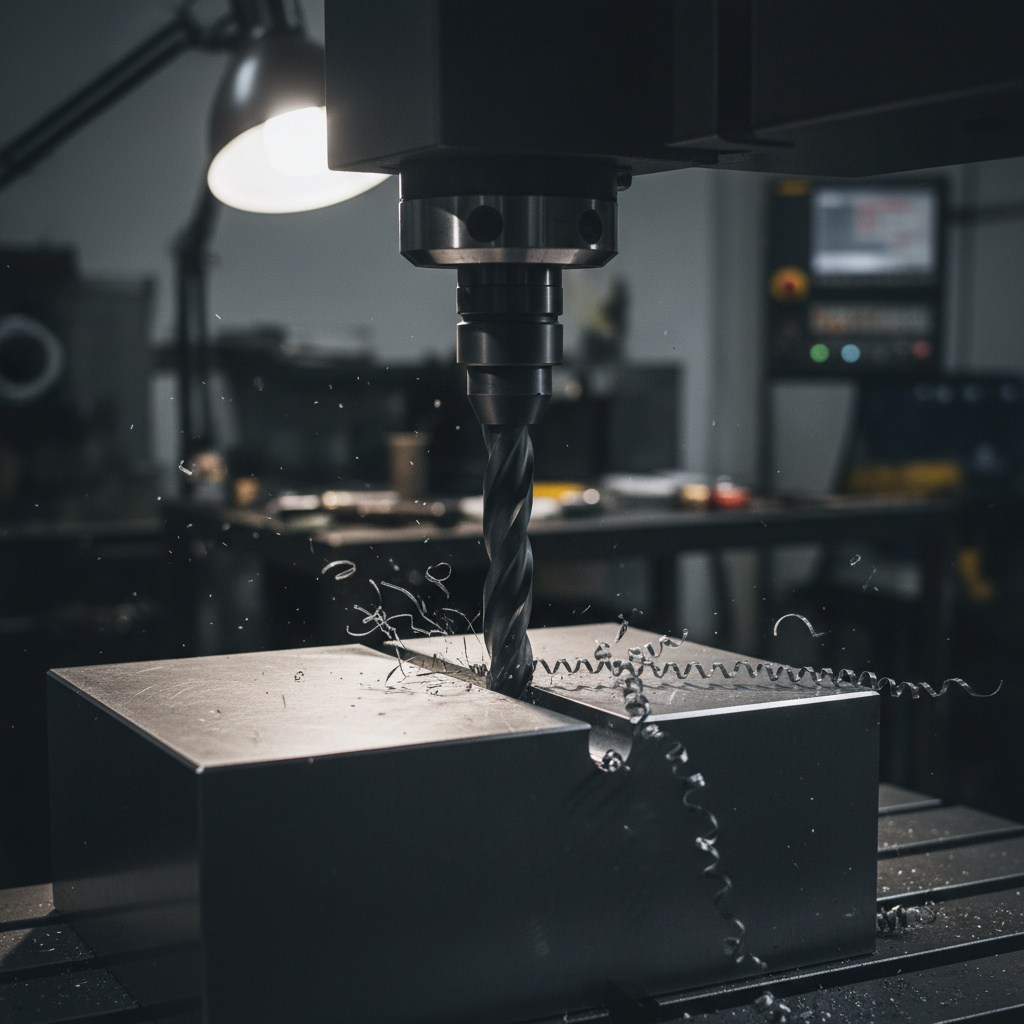
Beyond the hourly rate, four primary pillars dictate the final metal fabrication cost. Understanding how these factors interact allows for more accurate forecasting and identifies specific areas where designs can be optimized for efficiency.
1. Material Selection Raw material costs fluctuate based on global market demand and alloy composition. Carbon steel, such as A36, typically offers a more stable price point and lower entry cost for structural applications. Conversely, stainless steel is subject to higher price volatility due to the shifting costs of nickel and chromium. Choosing a heavier gauge than necessary or selecting a premium alloy when a standard one suffices can inflate an invoice before the first cut is made.
2. Labor Complexity Raw cutting via CNC laser or waterjet is relatively fast and cost-effective. The real expense lies in fit-up and weld time. A simple flat bracket requires minimal handling; however, a component with complex geometry requiring multiple bends and precise manual jigging increases labor hours significantly. Each additional bend introduces potential for error and requires specific press brake setups, while intricate weldments demand skilled technicians to ensure structural integrity and heat management.
3. Production Volume and Tooling Initial setup is often the most expensive part of a project. Production volume allows these fixed costs, including any specialized tooling or custom jigs, to be amortized across a larger number of units. Small batches carry the full weight of machine programming and setup, while repeatable production runs drop the per-unit price by spreading those non-recurring engineering costs.
4. Total Cost of Ownership While overseas manufacturers often advertise lower per-unit prices, the total cost of ownership tells a different story. Factoring in transoceanic freight, customs delays, and the lack of accountability for defects often erases those perceived savings. Partnering with a domestic facility like Duchesne Manufacturing ensures lower shipping expenses and a direct line of communication, ensuring the final product meets exact specifications without the risk of an unfixable shipment arriving from across the globe.
Budgeting for Durability: Why the Lowest Bid Can Be the Most Expensive
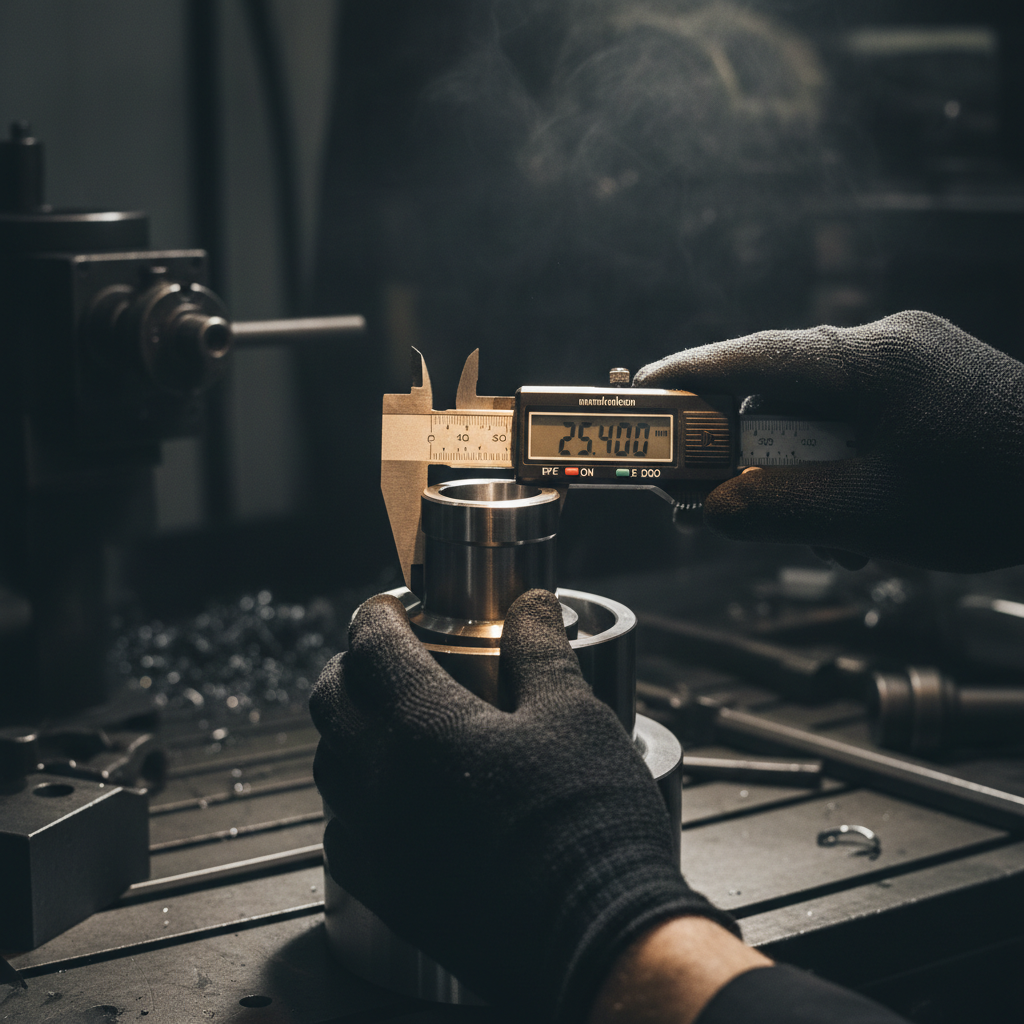
Choosing a precision fabrication partner based solely on the lowest quote often leads to an inflated total metal fabrication cost over the lifecycle of the product. In demanding environments, such as high-altitude Utah winters or heavy industrial settings, the physical toll on metal components is significant. Low-cost shops frequently maintain their margins by cutting corners on invisible details; these include reducing weld penetration, thinning material gauges beyond safe limits, or applying substandard surface treatments that fail at the first sign of corrosion.
A failure in the field is never just about the cost of the part. You must calculate the cost of replacement labor, shipping logistics, and critical downtime. If a five hundred dollar bracket fails and shuts down a production line for three days, the hundred dollars saved on the initial fabrication becomes a massive liability. Dependability requires specific upfront investments in material integrity and repeatable production standards to ensure real-world performance.
When reviewing quotes, use this durability checklist to safeguard your project:
Quality Contingencies: Allocate a 10 to 15 percent budget buffer for enhanced testing or premium finishes.
Weld Specifications: Verify joint preparation methods. Full penetration welds are vital for structural longevity under stress.
Material Verification: Ensure the shop isn't using under-tolerance materials that compromise load-bearing capacity.
Downside Risk: Quantify the hourly loss of revenue if the component breaks during peak operation.
Precision in fabrication ensures that every unit performs exactly like the first. By prioritizing these manufacturing and production solutions, you secure the long-term performance necessary to survive rigorous industry requirements.
How to Control Fabrication Costs Without Sacrificing Performance

Effective cost management begins long before the first spark of a welder. Implementing Design for Manufacturability (DFM) principles allows business owners to refine their parts for the most efficient production path. By simplifying a component to use standard material gauges, you avoid the premium pricing and lead time delays associated with non-stock thicknesses. Reducing the number of unique machine setups, such as consolidating bends or aligning hole patterns, can frequently cut your total metal fabrication cost by 20 percent or more.
Strategic order planning also plays a critical role. Every production run involves fixed setup costs, which include machine programming, tool loading, and initial test pieces. Batching your orders into larger, less frequent releases allows you to spread these costs across more units, significantly lowering the per-part price. This approach is particularly effective for components with complex geometries that require extensive press brake or CNC calibration.
A local fabrication partner provides specialized insight that generic online quoting tools often miss. While an automated system might take your drawing at face value, an experienced shop can suggest material substitutions that maintain performance while reducing expense. For instance, substituting a specific grade of aluminum, such as 5052 for 6061 in applications where high-strength structural requirements are secondary to corrosion resistance, can offer significant savings. Engaging in these technical discussions early ensures that your design is optimized for both the shop floor and the field. This collaborative approach transforms a simple vendor relationship into a technical partnership focused on repeatable efficiency.
Hidden Costs: Finishing, Logistics, and Quality Control
Surface treatments are often viewed as secondary, but they are essential for environmental resistance and long-term durability. Processes such as powder coating, hot-dip galvanizing, or anodizing typically add 15 to 30 percent to the total project invoice. These costs cover more than just the material application; they include labor-intensive surface preparation, chemical baths, and specific curing times required to ensure the finish adheres correctly to the substrate. Neglecting these steps to save on the initial metal fabrication cost frequently leads to premature oxidation and structural failure.
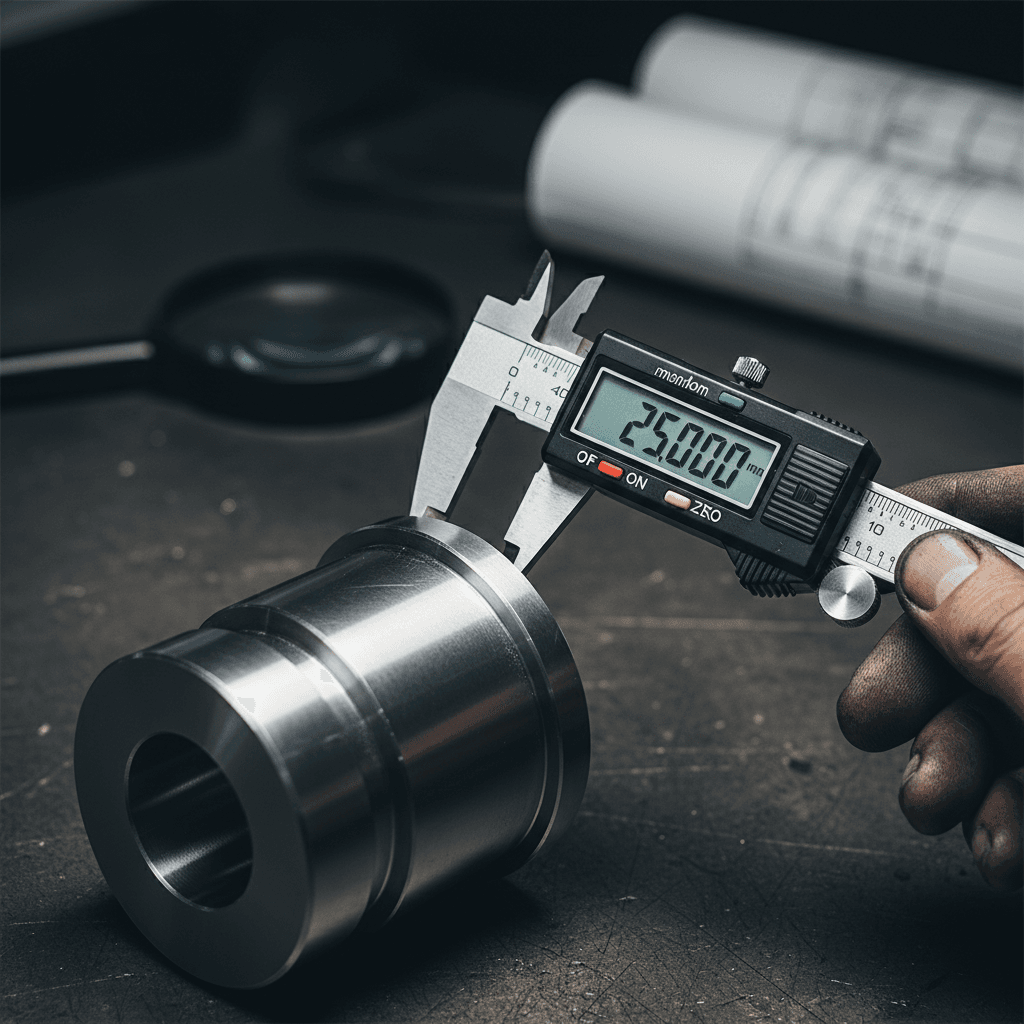
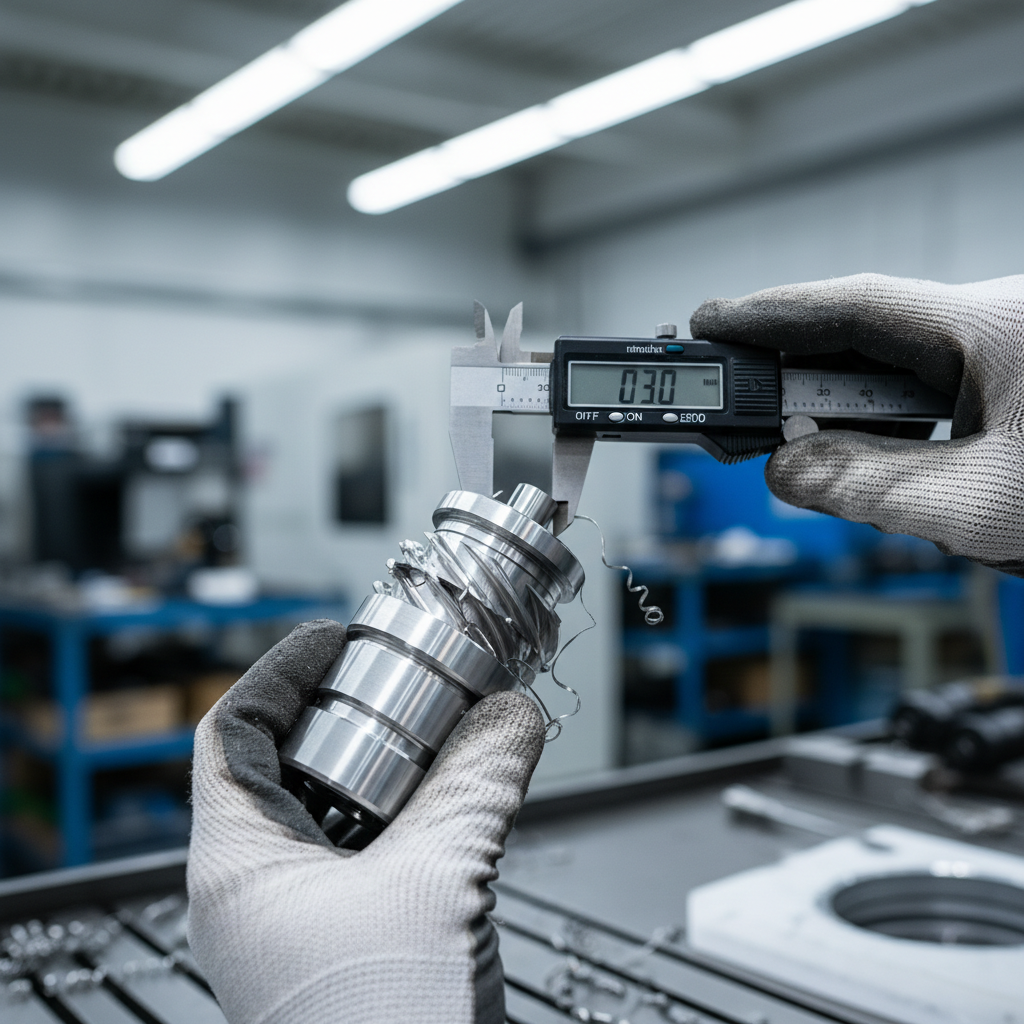
Beyond aesthetics, formal Quality Control (QC) processes represent a direct investment in reliability. For projects in regulated sectors, including aerospace or heavy infrastructure, detailed inspection reports and material certifications require dedicated technician time. While these steps ensure the product meets strict tolerances, they contribute to the final bill through specialized metrology equipment usage and administrative documentation. High-quality manufacturing and production solutions include these verification steps to prevent the far higher costs of field failure.
Logistics often pose the most significant surprise expense. Shipping heavy carbon steel or large-scale assemblies is inherently expensive, especially when factoring in fuel surcharges and specialized crating. Partnering with a local Utah manufacturer eliminates these long-haul freight charges and reduces the risk of transit damage. Keeping production close to the final destination ensures that the budget remains focused on the physical quality of the part rather than the logistics of moving it.
Calculating Your ROI: The Long Term Value of Precision Fabrication
Maximizing the return on your investment requires shifting the focus from the initial metal fabrication cost to the total value delivered over the product life cycle. While a lower unit price might look attractive on a spreadsheet, the true cost is revealed during assembly and field operation. Repeatable production methods ensure that every part is identical to the first. This consistency streamlines your internal workflows, as technicians do not waste time on fitment issues or manual grinding to make components align.
ROI Factor | Impact of Precision Fabrication | Impact of Low-Bid Fabrication |
|---|---|---|
Assembly Speed | High; parts fit without modification. | Low; frequent manual adjustments needed. |
Warranty Claims | Minimal; high weld integrity and finishing. | High; risks of structural or finish failure. |
Time to Market | Faster; reliable schedules and less rework. | Slower; unpredictable delays and rejects. |
A precision fabrication partner acts as a technical extension of your team. By maintaining consistent quality standards, they help you achieve a better product-market fit, ensuring your equipment performs reliably in the field. This reduces the long-term financial burden of warranty claims and replacement parts.
Effective manufacturing and production solutions are not just about bending and cutting; they are about consulting on the design to find the precise balance between cost, precision, and real-world durability. When a partner understands the environmental demands and industry requirements of your project, they can identify where to invest in strength and where to optimize for cost, ultimately protecting your margins and your reputation. Finding this sweet spot ensures your product enters the market with confidence and performs exactly as intended for years to come.