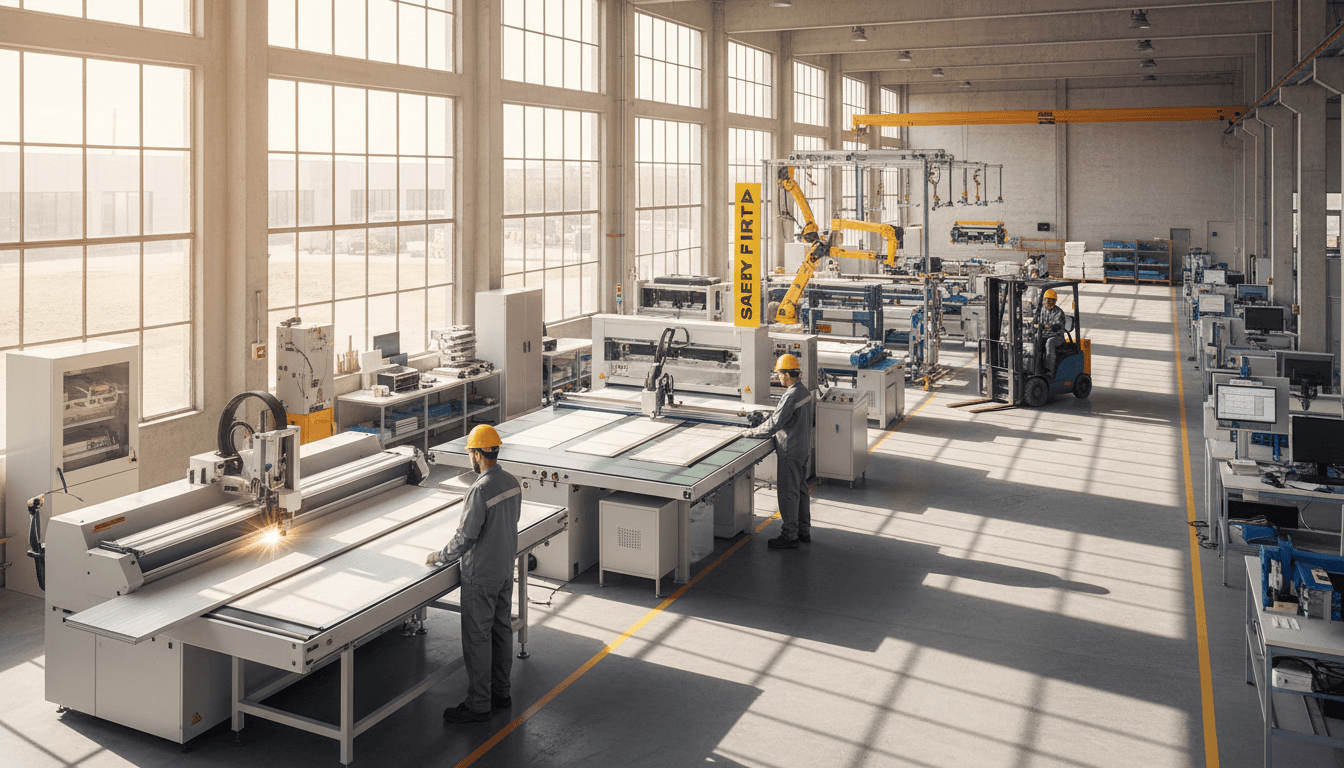
Fabrication involves creating custom components by cutting, bending, and joining parts, whereas manufacturing is the broader industrial process of transforming raw materials into finished goods on a large scale. When comparing fabrication vs manufacturing, the primary difference is scope; fabrication is a specialized subset often involving metal fabrication assembly for specific parts, while manufacturing covers the entire end-to-end production cycle.
Selecting the wrong production method for your components is a costly error that often leads to budget overruns and timeline delays. When a business owner needs parts, they frequently use the terms fabrication and manufacturing as if they mean the same thing, but this confusion can compromise the integrity of a project. Understanding these differences is not just a matter of semantics; it is a critical strategic decision that affects scalability and cost efficiency. In this guide, we will clarify the fundamental distinctions between specialized fabrication and broad manufacturing processes. We will explore how raw materials transform into finished components, the role of subtractive machining, and the exact moment your project needs to transition to a high volume production model. By the end, you will have the practical knowledge required to choose the right partner for your specific industrial needs.
The Fundamental Difference Between Fabrication and Manufacturing
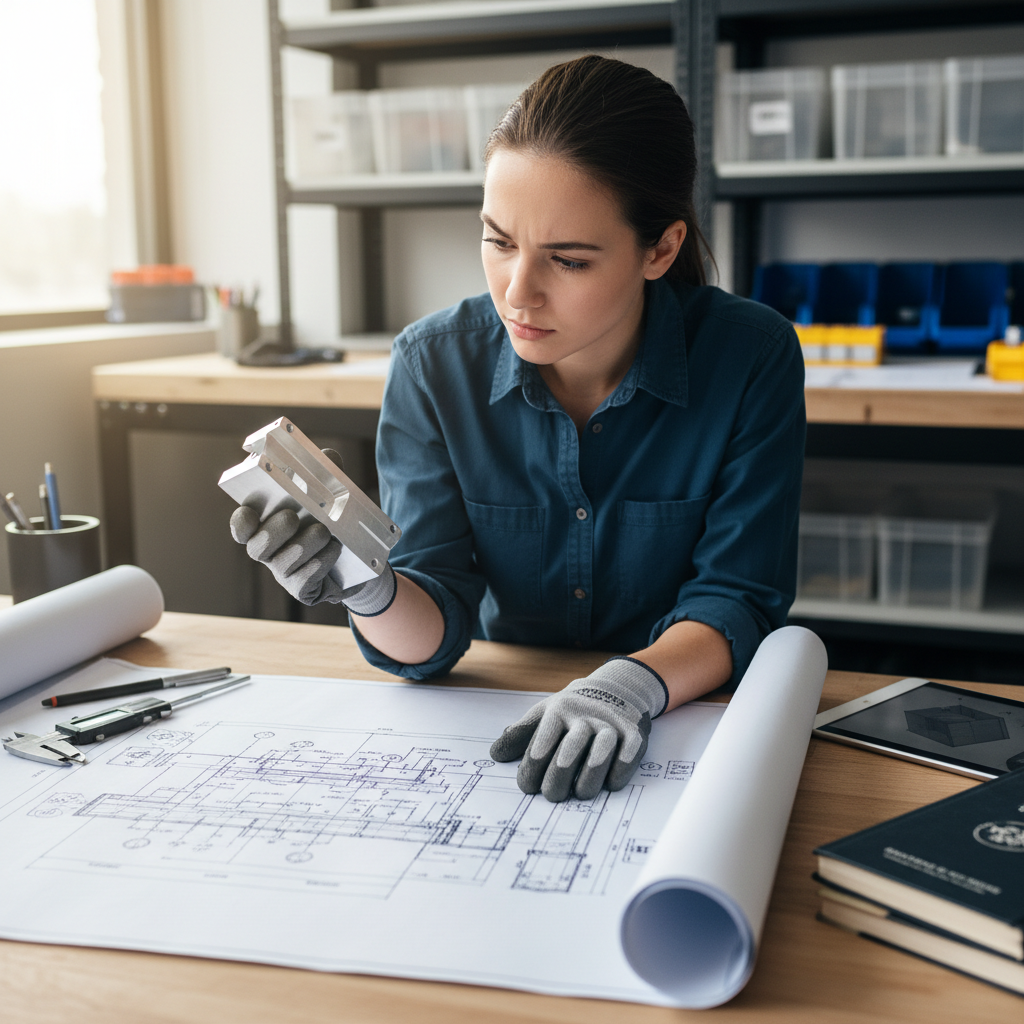
In the industrial sector, terms like fabrication and manufacturing are often used interchangeably, but for a business owner seeking dependable manufacturing and production solutions, the distinction is critical. Fabrication is the specialized process of taking raw materials, typically metal, and manipulating them into a specific component. This involves physical actions like cutting, bending, and welding to create a part based on a design. It is a highly technical, hands-on stage that focuses on the integrity of a single structure.
Manufacturing, conversely, represents the entire lifecycle of a product from inception to final delivery. It is a broader umbrella that encompasses design, sourcing, fabrication, assembly, and quality control at scale. While fabrication is a specific set of tasks, manufacturing is the system that organizes those tasks into a repeatable production line. In this context, fabrication is usually one essential stage within the larger manufacturing lifecycle.
To visualize the difference, consider the production of a vehicle. Building a custom car frame is fabrication; it requires precise welding and bending of steel tubes to ensure structural durability. The factory process, which includes engine installation, electronics, painting, and final testing for thousands of identical vehicles, is manufacturing.
Across the Intermountain West, many companies start with custom fabrication to solve immediate, localized problems before scaling to full production. Understanding this hierarchy helps businesses decide if they need a one-off custom component to fix a machine or a full-scale partner to bring a new product to market. Fabrication is the specialized work of making the part, while manufacturing is the comprehensive process of managing the entire production run.
Metal Fabrication: From Raw Material to Finished Component
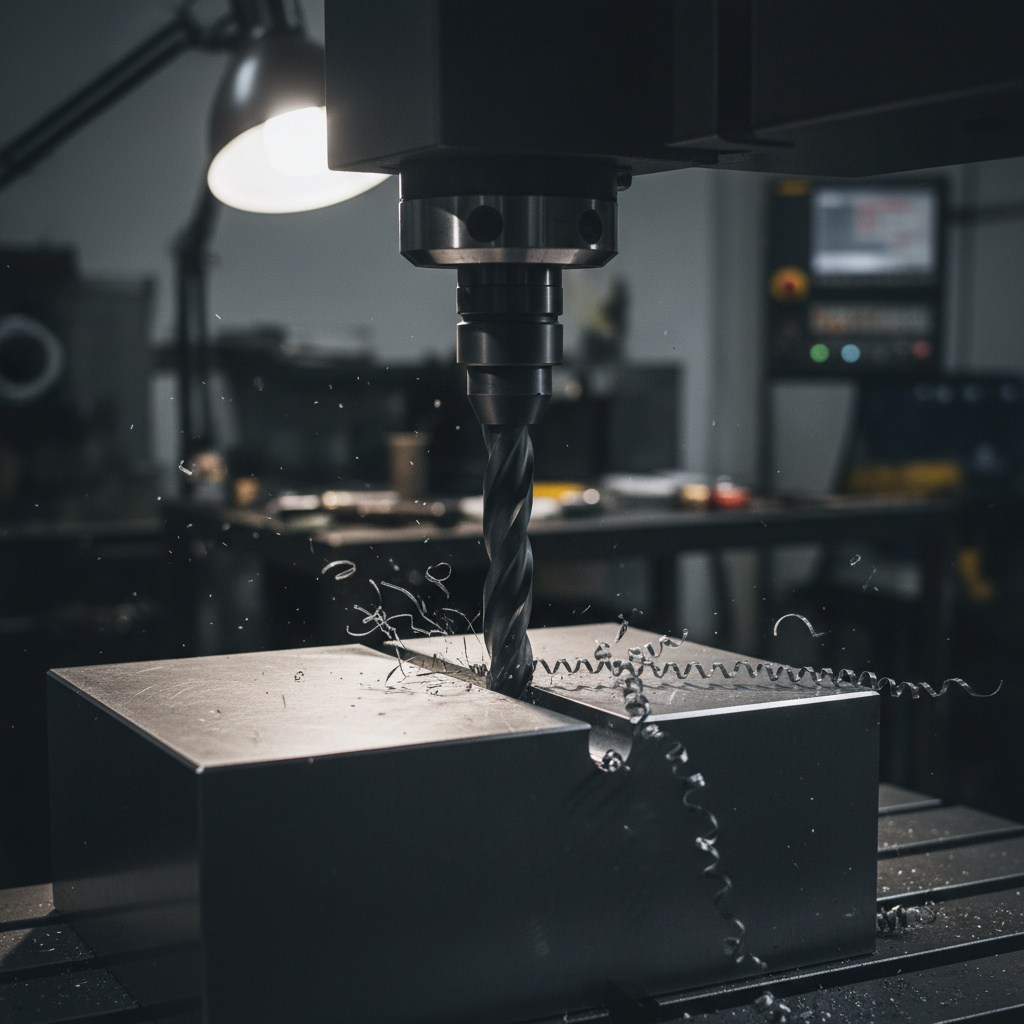
What is fabrication work in a practical sense? It is the process of transforming raw metal stock, such as plate, tube, or sheet, into a distinct component using specialized machinery and skilled labor. While the broader term manufacturing implies the total production cycle, fabrication is the physical manipulation that creates the building blocks of that cycle.
Business owners often ask, "What are the three types of metal fabrication?" The industry standard categorizes these primary methods as:
Cutting: Utilizing technologies such as laser, plasma, or waterjet to achieve exact profiles from raw material.
Bending: Using press brakes to manipulate the metal into specific angles or shapes without compromising the material’s structural integrity.
Joining: Employing welding techniques to fuse separate pieces into a single, cohesive unit.
Sheet metal fabrication is particularly critical for developing custom components that require high strength to weight ratios. This process targets the creation of specialized enclosures, brackets, and supports that are tailor made for specific industrial applications. At Duchesne Manufacturing, this stage is where design meets durability. We maintain that precision is non-negotiable because these fabricated parts serve as the essential backbone of larger, more complex systems.
When the initial work is handled with skilled fabrication and assembly standards, the subsequent manufacturing steps proceed without the costly delays caused by misaligned parts or structural failures. Understanding these specific processes helps clarify the fabrication vs manufacturing debate; while manufacturing focuses on the total production output, the reliability of the final product depends entirely on the technical accuracy of the fabrication stage.
Manufacturing: The Big Picture of Production Support
Manufacturing is the operational framework that scales individual fabrication tasks into a cohesive production engine. While fabrication creates the physical component, manufacturing manages the supply chain, coordinates skilled labor, and oversees final assembly to ensure a product reaches the market at scale. This shift from making a part to running a production line is where the distinction in the fabrication vs manufacturing conversation becomes most visible for a growing business.
Industry professionals categorize manufacturing into four primary models: job shop, batch, repetitive, and continuous. For mid-sized industrial partners, batch and repetitive manufacturing are often the most critical for maintaining consistent output.
Batch manufacturing involves producing a specific quantity of items in a single run, which is ideal for products with fluctuating demand or those requiring periodic updates.
Repetitive manufacturing focuses on a dedicated production line to create the same part consistently over time with minimal changeovers, maximizing throughput.
The core objective of manufacturing is efficiency through repeatability. If a business requires 5,000 identical steel brackets delivered on a recurring monthly schedule, they have moved beyond the scope of a one-off fabrication shop. Dependable manufacturing and production solutions at this level require strict quality control and logistical oversight to maintain a low unit cost while ensuring that the five-thousandth part meets the exact specifications of the first.
Fabrication vs Assembly: Where the Processes Overlap
In the workflow of moving a product toward completion, the distinction between fabrication vs assembly defines how labor and equipment are allocated. Fabrication is the subtractive or formative act of producing individual components from raw stock. Assembly is the subsequent process of joining those distinct parts into a functional whole. While fabrication involves the heavy lifting of laser cutting or press brake forming, assembly relies on precision joining methods such as mechanical fasteners, industrial adhesives, or secondary welding.
Many industrial projects require a combination of these services, often referred to as metal fabrication assembly. This approach serves as a vital bridge between raw material and a finished product. At Duchesne Manufacturing, we provide sub-assemblies that arrive at a client’s facility ready for immediate integration into their final production line. By handling the intermediate joining steps, we reduce the client’s internal labor requirements and ensure that the fitment between fabricated parts is verified before the unit leaves our floor.
This overlap is where the broader concept of fabrication vs manufacturing becomes a logistical advantage. A partner capable of both creating the parts and performing the skilled fabrication and assembly ensures that tolerances are maintained across the entire sub-unit. This prevents the common bottleneck where parts sourced from different vendors fail to align properly during the final assembly phase.
Fabrication vs Machining: Subtractive vs Formative Methods
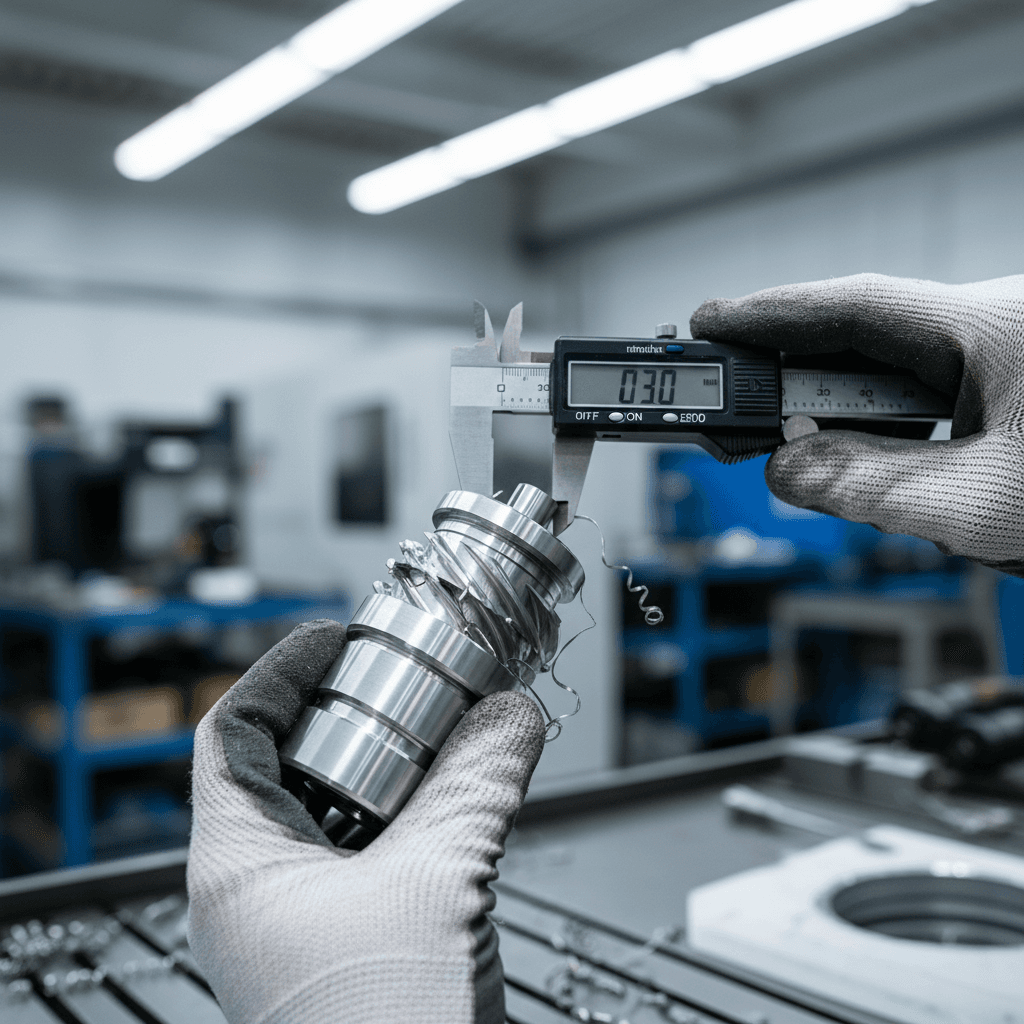
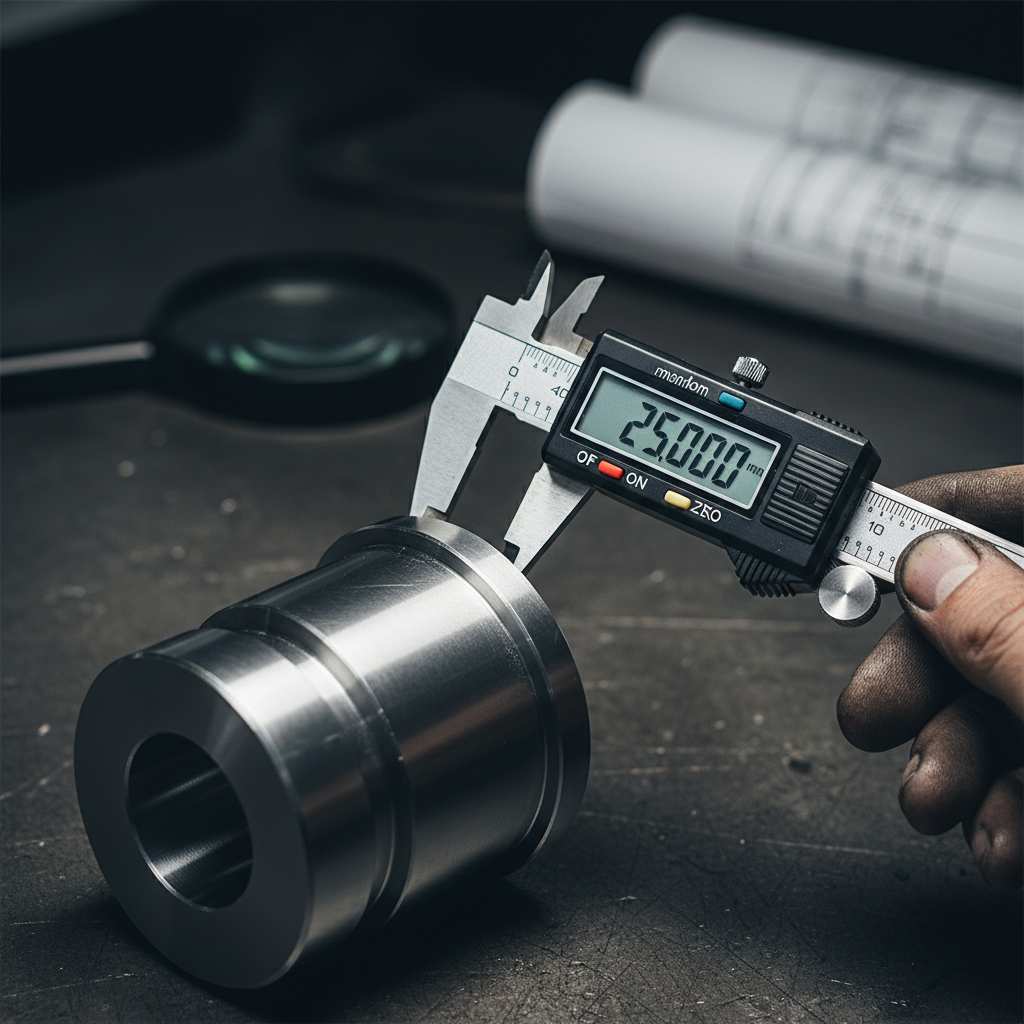
While assembly joins parts together, business owners often struggle to distinguish between fabrication and machining. The primary difference lies in the method of shaping the material. Machining is a subtractive process. It begins with a solid block of metal, known as a billet, and uses tools like mills or lathes to remove material until the final shape is achieved. This is ideal for parts requiring extreme precision, tight tolerances, or complex internal geometries.
Fabrication is largely formative or additive in nature. Instead of carving away from a solid block, we use sheets, plates, or tubes and manipulate them through bending, cutting, and welding. This method is more efficient for structural components, large frames, and enclosures. Understanding this distinction is vital when seeking dependable manufacturing and production solutions. If your part requires high-tolerance mechanical interfaces, machining is the answer. If you need a durable, structural assembly, fabrication is the correct path. This technical choice directly impacts the broader fabrication vs manufacturing strategy, as the chosen method dictates the tooling and lead times required for the production run.
Scaling Your Project: When Fabrication Becomes Manufacturing
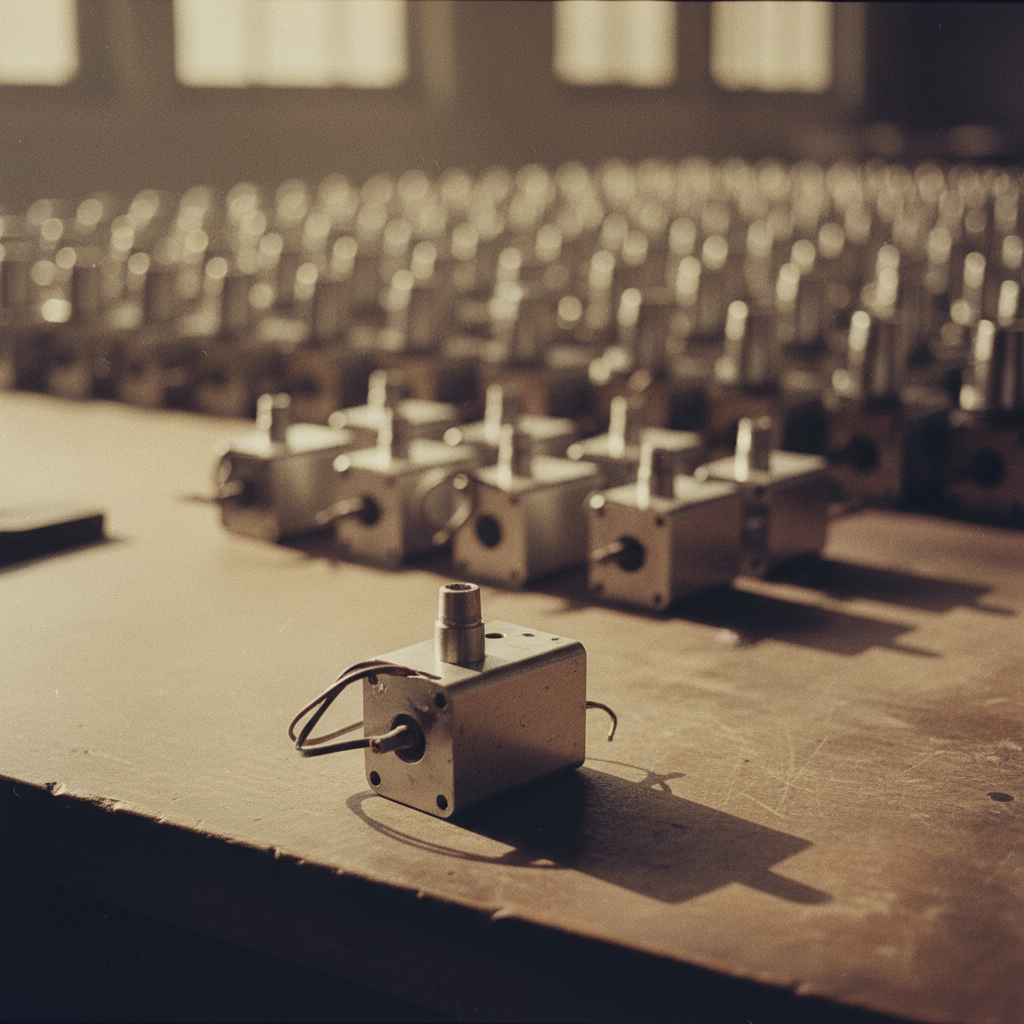
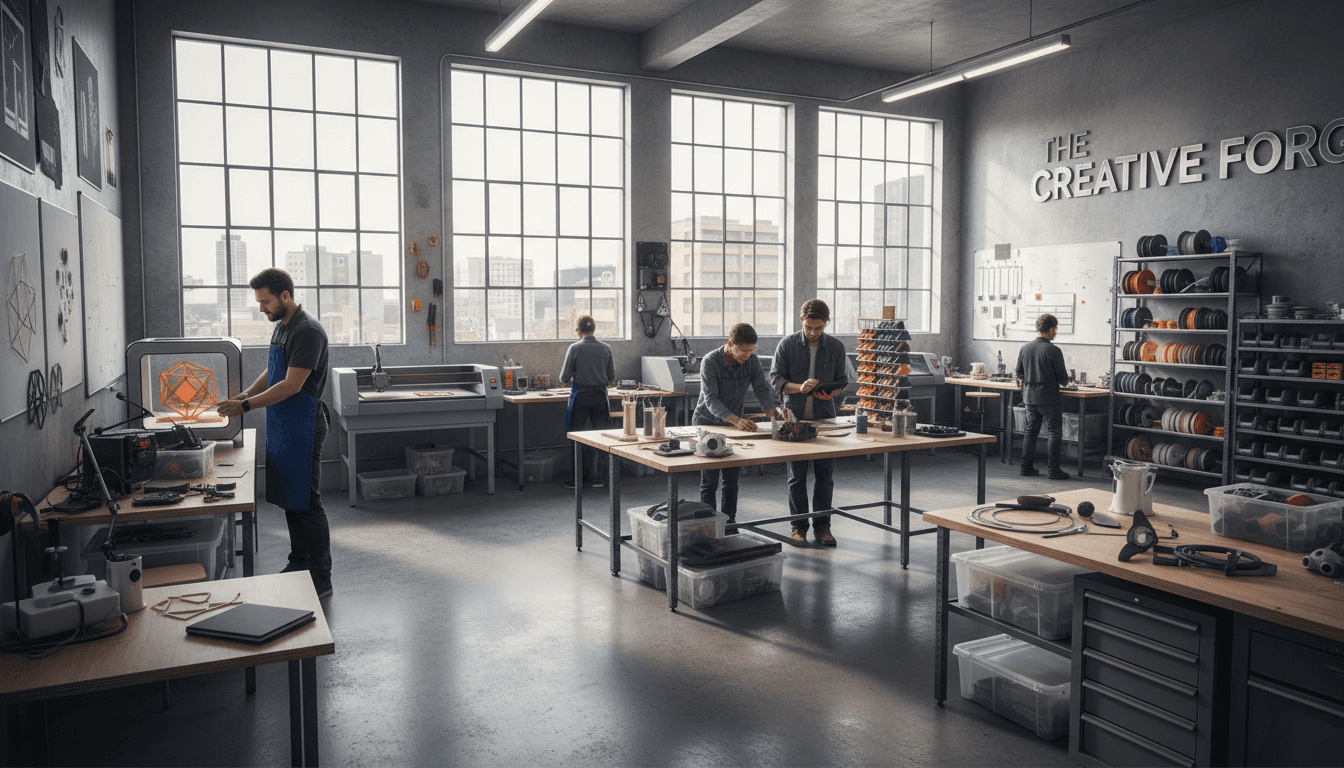
The shift from one-off fabrication to full scale manufacturing is a pivotal moment for any growing project. When a company moves from a prototype to a recurring order, the technical requirements and economic considerations change significantly. Prototyping is typically a high touch, manual fabrication process where the primary goal is the verification of design and real world performance. In this initial stage, costs per unit are higher because every cut, bend, and weld requires individual attention and manual adjustment from a technician.
As volume increases, the focus shifts toward manufacturing efficiency and repeatability. This transition involves developing custom tooling, jigs, and fixtures that ensure every component is identical. These specialized tools lock parts into precise positions before welding or assembly, eliminating the variability inherent in manual fabrication. By investing in these fixed assets, a business achieves a lower per unit cost and a more predictable production schedule. This is the stage where the distinction in the fabrication vs manufacturing debate becomes a matter of scalability; fabrication creates the proof of concept, while manufacturing creates the sustainable product line.
A successful transition requires Design for Manufacturability (DFM). This is the practice of refining a part’s design specifically to make it easier, faster, and cheaper to produce at scale without sacrificing its structural integrity. DFM might involve simplifying a bend to avoid complex tooling or standardizing fastener sizes to reduce assembly time. At Duchesne Manufacturing, we help clients streamline workflows by identifying these efficiencies early in the project lifecycle. Providing dependable manufacturing and production solutions means helping you bridge the gap between a successful prototype and a high volume product line, ensuring that your skilled fabrication and assembly remain consistent as your market demand grows.
Why Choosing a Local Utah Partner Matters for Accountability
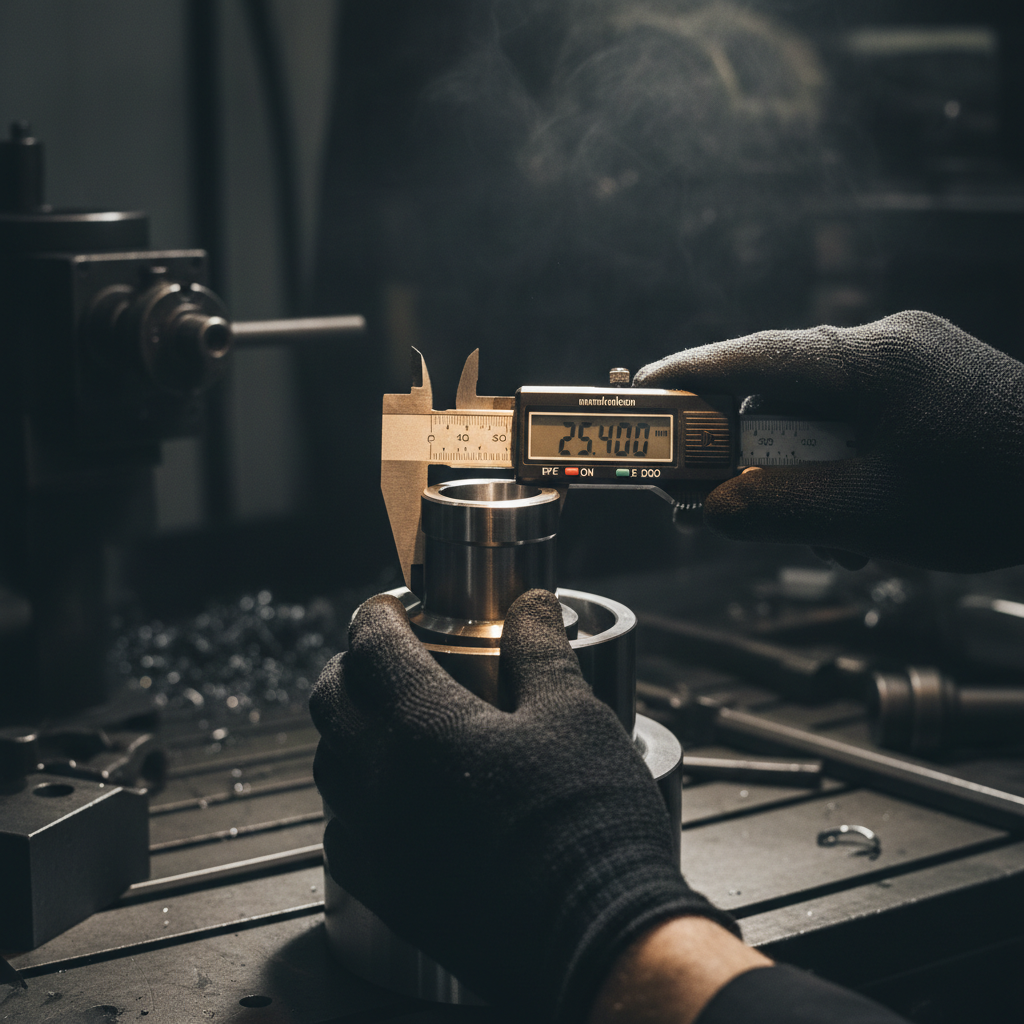
Reliable production requires a partner that is accessible and responsive. Choosing a provider in Duchesne, Utah, provides a level of oversight that global suppliers cannot match. In the context of fabrication vs manufacturing, the ability to physically walk the shop floor ensures that quality standards are verified in real time. Business owners can personally review production documentation and observe the fabrication process to ensure every component meets requirements for real world performance. This proximity fosters a collaborative environment where technical adjustments are made in hours rather than weeks.
By relying on dependable manufacturing and production solutions from a local team, you eliminate the risks of logistical disconnects and communication barriers common in overseas production. Local accountability means every weld and component is backed by a team that understands the demanding environmental conditions your products must survive. To secure your supply chain with a partner committed to precision, contact Duchesne Manufacturing to discuss how our skilled fabrication and assembly services provide the consistency your project requires.
Choosing between fabrication and manufacturing is a critical decision that impacts your production costs and end results. Whether you need a unique prototype or a high-volume run, selecting the right method ensures efficiency and quality for your business. If you want expert help navigating these production choices, our team provides the guidance you need. You can learn more about our commitment to quality and how our specialized experience helps business owners find the perfect fit for every project.