Optimal metal fabrication material selection involves balancing physical properties like strength and corrosion resistance against total project costs. Carbon steel serves as an affordable option for high-strength needs, while aluminum and stainless steel offer enhanced durability in corrosive environments at a higher price point.
Selecting the right metal for a project often feels like a balancing act between budget constraints and long-term structural performance. A single miscalculation in material grade can lead to premature corrosion, excessive weight, or unnecessary fabrication costs that erode your bottom line. At Duchesne, we understand that durability is not just a specification; it is a commitment to quality. This guide examines the distinct characteristics of carbon steel, stainless steel, and aluminum to help you navigate the complexities of metallurgical selection. You will learn how to weigh mechanical properties against environmental factors, compare the life cycle costs of popular alloys, and utilize a practical checklist for your next fabrication project. By the end of this article, you will have the expert insights required to choose a material that ensures both structural excellence and financial efficiency.
The Stakes of Metal Fabrication Material Selection
Selecting a metal for your project involves more than comparing price per pound. It is a strategic decision that dictates the entire lifecycle of a product, from the ease of the first weld to the component's resistance to fatigue years down the line. We define metal fabrication material selection as the critical intersection where engineering specifications, environmental stressors, and production efficiency meet. If one of these pillars is ignored, the resulting product often suffers from premature failure or ballooning costs.
While theoretical data sheets provide a baseline, Duchesne Manufacturing focuses on real world performance. A material that looks perfect on a spreadsheet might fail in a high vibration environment or prove impossible to finish economically. Our goal is to provide dependable manufacturing and production solutions that withstand actual field conditions rather than just meeting laboratory standards.
Most industrial projects center on the "big three" materials: carbon steel, stainless steel, and aluminum. These alloys are not interchangeable. The right choice depends entirely on specific project goals. For example, a project might prioritize extreme durability and structural mass, favoring carbon steel, or it might require significant weight reduction to streamline workflows and bring products to market in the transportation sector, favoring aluminum. Navigating these trade-offs is the first step in ensuring a successful production run.
Critical Factors for Choosing the Right Fabrication Material
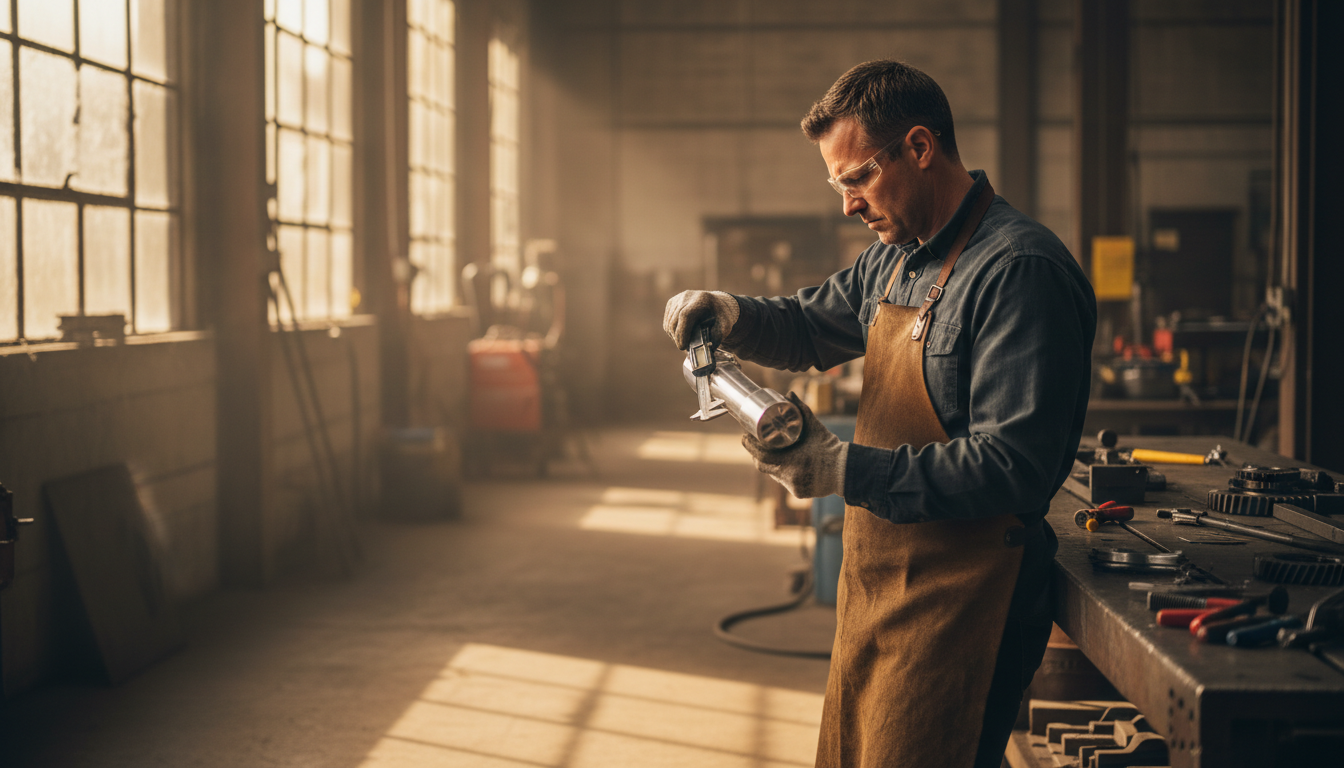
Effective metal fabrication material selection requires balancing four primary pillars that dictate how a part will behave under load and over time. These criteria ensure that the final product does not just meet engineering drawings but survives the rigors of its specific application.
First, mechanical properties like yield strength and hardness determine if a component can withstand its intended physical stress. Second, environmental exposure accounts for how the material reacts to its surroundings. In Utah, the dry air generally slows the oxidation of untreated metals; however, the heavy application of road salts during our harsh winters creates a highly corrosive environment for any outdoor component. This makes material choice for vehicle chassis or structural supports particularly sensitive, as salt spray can rapidly compromise the integrity of unprotected alloys.
A common question in the early design phase is, "What is a cheap but strong metal?" The industry standard answer is mild steel. As a low-carbon alloy, mild steel provides a high strength to weight ratio and excellent structural integrity at a lower price point than stainless steel or aluminum. It serves as the baseline for many industrial projects because of its accessibility and reliability in structural roles.
The final two pillars are aesthetic requirements and manufacturing feasibility. Aesthetic concerns involve the final texture or grain of the metal, which dictates the finishing processes required. Manufacturing feasibility considers how easily a material can be welded or formed. A material with high theoretical strength is useless if it is too brittle to bend or too difficult to weld without cracking during production.
Pillar | Key Considerations |
|---|---|
Mechanical Properties | Yield strength, hardness, fatigue resistance |
Environmental Exposure | Salt spray, UV exposure, temperature extremes |
Aesthetic Requirements | Surface finish, grain direction, paint adhesion |
Manufacturing Feasibility | Weldability, bend radius, machining speed |
By evaluating these factors collectively, clients can partner with Duchesne Manufacturing to identify materials that offer the best balance of cost and real-world performance. This evaluation ensures that the chosen metal not only fits the initial budget but also fulfills its operational lifespan without premature failure.
Carbon Steel: The Rugged Industrial Workhorse
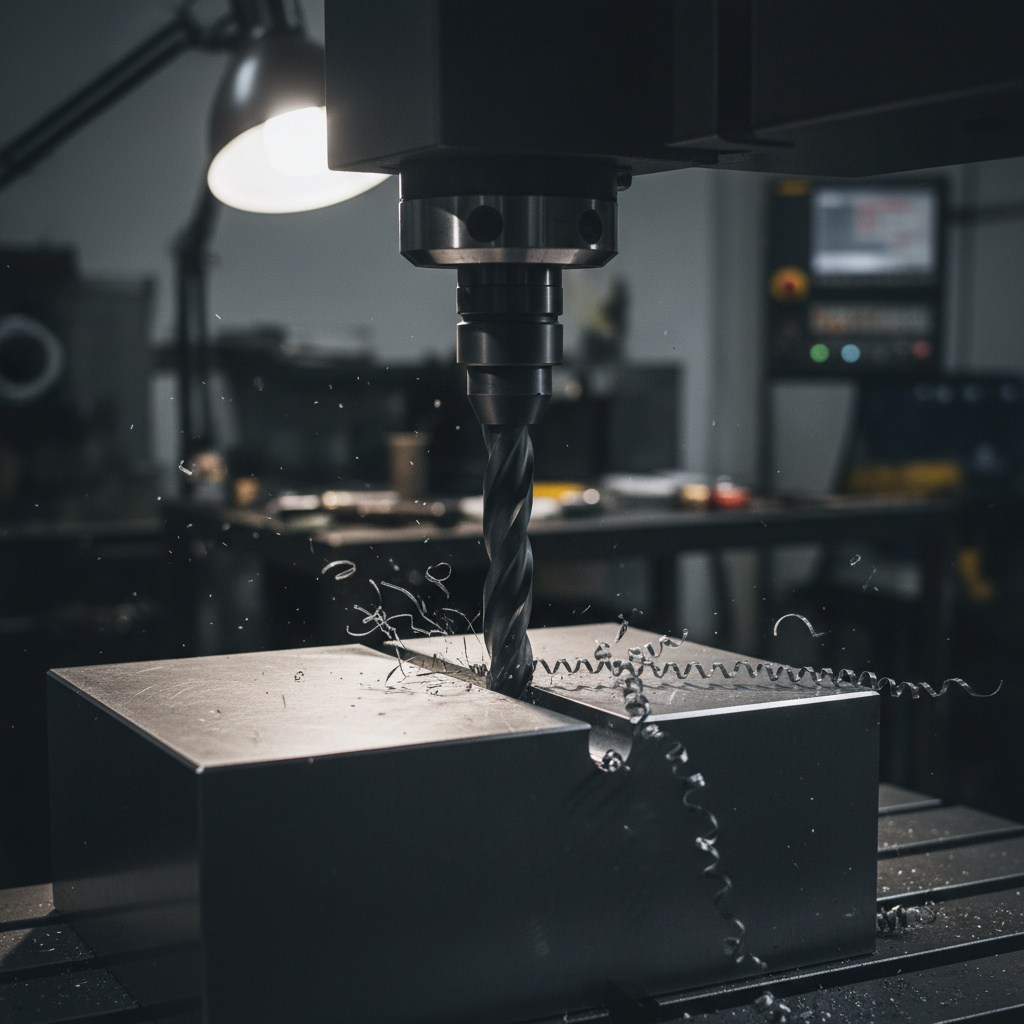
For many structural projects, carbon steel serves as the default starting point. It offers a level of robustness that is difficult to match at its price point. Within the realm of metal fabrication material selection, we generally categorize these alloys by their carbon content. Low-carbon steel, often called mild steel, contains less than 0.3% carbon. It is the workhorse of the industry because it balances structural strength with high ductility and excellent weldability. High-carbon steel, containing up to 1.5% carbon, is significantly harder and more wear resistant, but it is also more brittle and requires specialized heat treatment and welding procedures to prevent cracking.
The primary advantage of carbon steel is its cost-effectiveness for heavy-duty applications like machinery frameworks, pipelines, and structural supports. However, focusing solely on the raw material price can be misleading. Carbon steel lacks the inherent corrosion resistance of more expensive alloys, which creates a significant hidden cost in the production cycle: finishing. Because raw carbon steel begins to oxidize almost immediately when exposed to moisture, every component must undergo a secondary process such as industrial painting, powder coating, or hot-dip galvanizing.
These finishing steps are not just additional line items on a quote; they directly impact the project timeline. A project involving complex carbon steel assemblies often requires extra lead time for curing or transportation to a galvanizer. At Duchesne Manufacturing, we help clients account for these logistics to provide dependable manufacturing and production solutions that stay on schedule. Choosing carbon steel is a practical choice for structural mass, provided the design accounts for the surface protection required to survive the end-use environment.
Stainless Steel: Precision and Corrosion Resistance
While carbon steel relies on secondary coatings for protection, stainless steel incorporates corrosion resistance directly into its chemical structure. The addition of at least 10.5% chromium allows the metal to form a passive, self-healing chromium oxide layer on its surface. When the surface is scratched or abraded, this layer regenerates in the presence of oxygen; this process prevents the underlying iron from oxidizing and ensures the component maintains its integrity without frequent repainting.
In the context of metal fabrication material selection, identifying the specific grade is as important as choosing the alloy family itself. Grade 304 is the standard industrial choice, offering excellent durability for food processing or general industrial parts. However, Grade 316 is required for more aggressive settings. It contains molybdenum, which significantly increases resistance to pitting and crevice corrosion in chloride rich environments, such as those exposed to industrial chemicals or heavy concentrations of winter road salts.
Feature | Grade 304 (Standard) | Grade 316 (Marine/Chemical) |
|---|---|---|
Key Alloy Content | 18% Chromium, 8% Nickel | 16% Chromium, 10% Nickel, 2% Molybdenum |
Corrosion Resistance | High (general use) | Exceptional (salts and acids) |
Typical Applications | Kitchen equipment, enclosures | Marine hardware, chemical tanks |
Relative Cost | Baseline | Premium |
A frequent question in early design phases is which is better, stainless steel (SS) or mild steel (MS). The answer depends on the priorities of the project. Stainless steel wins on longevity, hygiene, and aesthetic consistency. Mild steel remains the preferred choice for massive structural components where the initial budget and ease of heavy fabrication are the primary drivers.
Providing dependable manufacturing and production solutions with stainless steel requires higher precision and specialized overhead. Fabrication costs are naturally higher because the material is tougher, requiring more energy for cutting and welding. Furthermore, we maintain strict process controls to prevent carbon steel particles from cross contaminating the stainless surface. Even microscopic traces of carbon steel from a shared grinder or workbench can embed in the stainless and cause localized rust, undermining the material's primary advantage.
Aluminum: The High Performance Lightweight Alternative
Aluminum occupies a distinct niche in metal fabrication material selection, primarily defined by its exceptional strength to weight ratio. At roughly one third the weight of carbon or stainless steel, it is the preferred choice when mass is a liability. This significant weight reduction allows designers to streamline workflows and bring products to market that would otherwise be too heavy for efficient transportation or manual handling. In sectors like aerospace and mobile equipment, every pound saved translates directly into increased payload capacity and reduced fuel consumption.
A frequent point of technical inquiry is whether aluminum is more corrosion resistant than stainless steel. While aluminum does not rust because it contains no iron, its resistance profile is different rather than strictly superior. Aluminum naturally forms a protective oxide layer that stands up well to atmospheric conditions; however, it is highly susceptible to galvanic corrosion. If aluminum components are fastened to dissimilar metals like steel or copper without proper insulation in a moist environment, the aluminum will act as an anode and corrode rapidly. Beyond its weight, the material's high thermal and electrical conductivity makes it the industry standard for power electronics enclosures and heat sinks where rapid heat dissipation is required.
From a fabrication perspective, aluminum is prized for its malleability and ease of forming into complex shapes. However, its high thermal conductivity and low melting point require specific expertise to weld without compromising the part. The material dissipates heat so rapidly that it demands precise control over heat input and specialized shielding gases to prevent warping or internal porosity. Duchesne Manufacturing delivers dependable manufacturing and production solutions by utilizing rigorous process controls, ensuring that aluminum assemblies maintain their structural integrity and meet the tight tolerances required for high performance applications.
Cost and Durability Comparison: Steel vs. Aluminum vs. Stainless
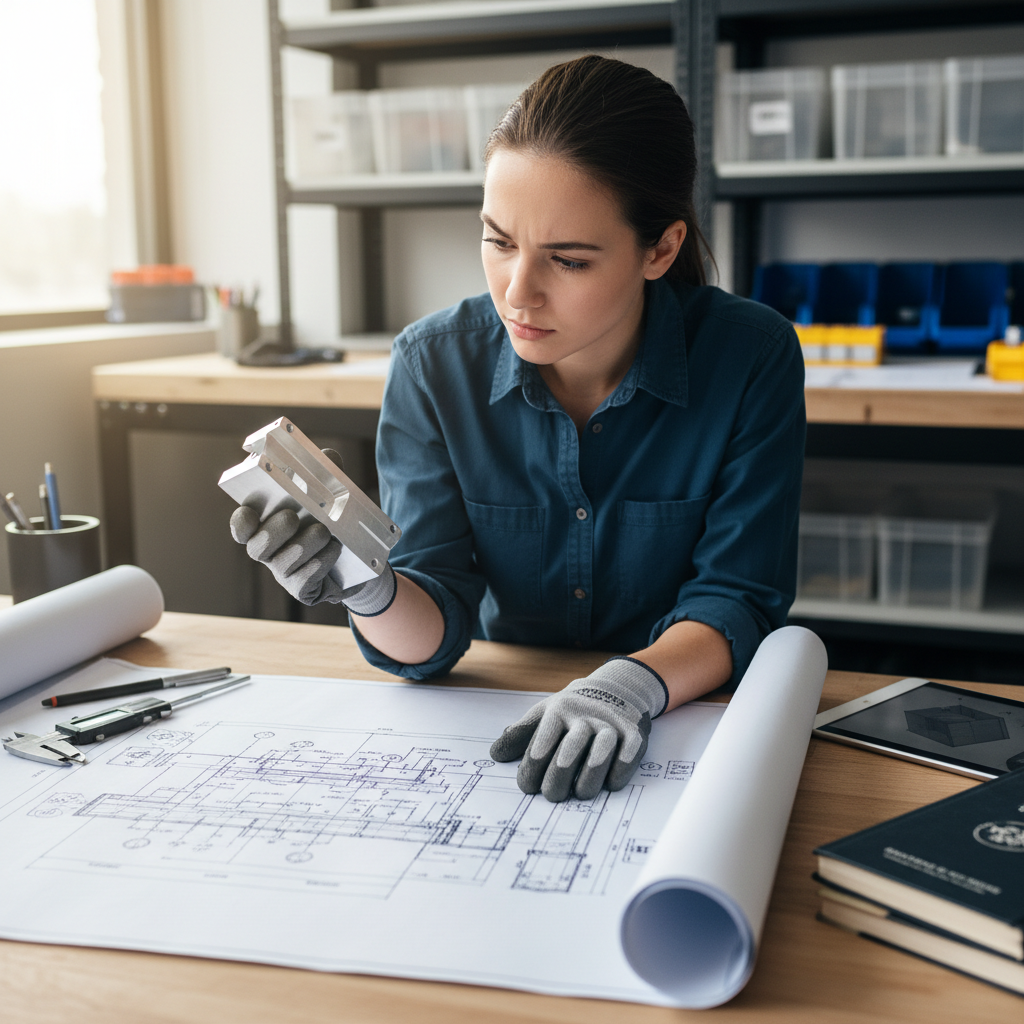
Analyzing metal fabrication material selection requires looking past the raw commodity price. A common inquiry is the steel vs aluminum price per kg, but using weight as the sole metric is often misleading for two reasons: density and fabrication labor. While mild steel typically costs significantly less per kilogram than aluminum, aluminum is approximately one third the density. This means you receive three times the volume of material for the same weight. Furthermore, the labor hours required to weld aluminum or machine high-strength stainless steel often represent a larger portion of the final invoice than the raw stock itself.
To make an informed decision, a project manager must evaluate the upfront investment against the long term maintenance requirements. Carbon steel offers the lowest initial cost, yet it carries the highest lifetime burden due to the necessity of recurring surface treatments. Stainless steel represents the opposite end of the spectrum, requiring a substantial initial investment but offering nearly zero maintenance costs over a multi-decade lifespan.
Material | Upfront Cost | Fabrication Difficulty | Maintenance Need | Life Cycle Value |
|---|---|---|---|---|
Carbon Steel | Low | Low | High (Needs coating) | Moderate |
Stainless Steel | High | Moderate to High | Very Low | High (Long term) |
Aluminum | Moderate | High (Welding) | Low to Moderate | High (Weight sensitive) |
Calculating the Total Cost of Ownership (TCO) is the only way to streamline workflows and bring products to market with a sustainable budget. TCO includes the purchase price, secondary finishing, shipping costs influenced by weight, and the projected cost of repair or replacement. For a structural frame in a controlled indoor environment, carbon steel is the logical winner. However, for components exposed to the elements or chemical washdowns, the premium paid for stainless steel often pays for itself within three to five years by eliminating downtime and repainting cycles. When you partner with Duchesne Manufacturing, we help calculate these variables to ensure your choice provides dependable manufacturing and production solutions for the long haul.
Practical Material Selection Checklist for Your Next Project

Finalizing your metal fabrication material selection requires a granular look at the operating environment and production logistics. Before committing to a specific alloy, evaluate these specific criteria to ensure the finished product performs as intended in the field.
Environmental Stress: Will the part face high humidity, industrial chemicals, or Utah's harsh road salts? If so, prioritize Grade 316 stainless steel or plan for heavy-duty galvanization on mild steel.
Magnetic Requirements: Does the component need to be magnetic for sensors or specialized mounting? Carbon steel is the standard, while most 300-series stainless steels are non-magnetic.
Weight Constraints: Must the assembly be lightweight to reduce shipping costs or improve mobile equipment efficiency? If mass is a liability, aluminum is the primary candidate.
Finish Longevity: Is a raw industrial look acceptable, or does the part require a high-quality powder coat? Aluminum and stainless steel offer better finish adhesion without the risk of sub-surface rust creep.
Thermal Needs: Will the component serve as a heat sink or be exposed to extreme temperatures? Aluminum’s thermal conductivity outperforms steel by a significant margin, though steel retains strength at higher heat thresholds.
Navigating these variables ensures repeatable production methods and helps streamline workflows and bring products to market. To refine these choices for your specific application, partner with Duchesne Manufacturing for a detailed technical review. Our team provides dependable manufacturing and production solutions tailored to the unique performance demands of your industry.
Selecting the right metal for your project requires a careful balance between upfront costs and long-term durability. By prioritizing the specific environmental demands of your application, you can ensure your components remain resilient without overspending. While this guide provides a helpful foundation, the nuances of alloy selection are often best navigated with professional insight. If you want expert help tailoring a solution to your unique requirements, we invite you to explore our services. Our team is ready to help you optimize your material choices for peak efficiency.