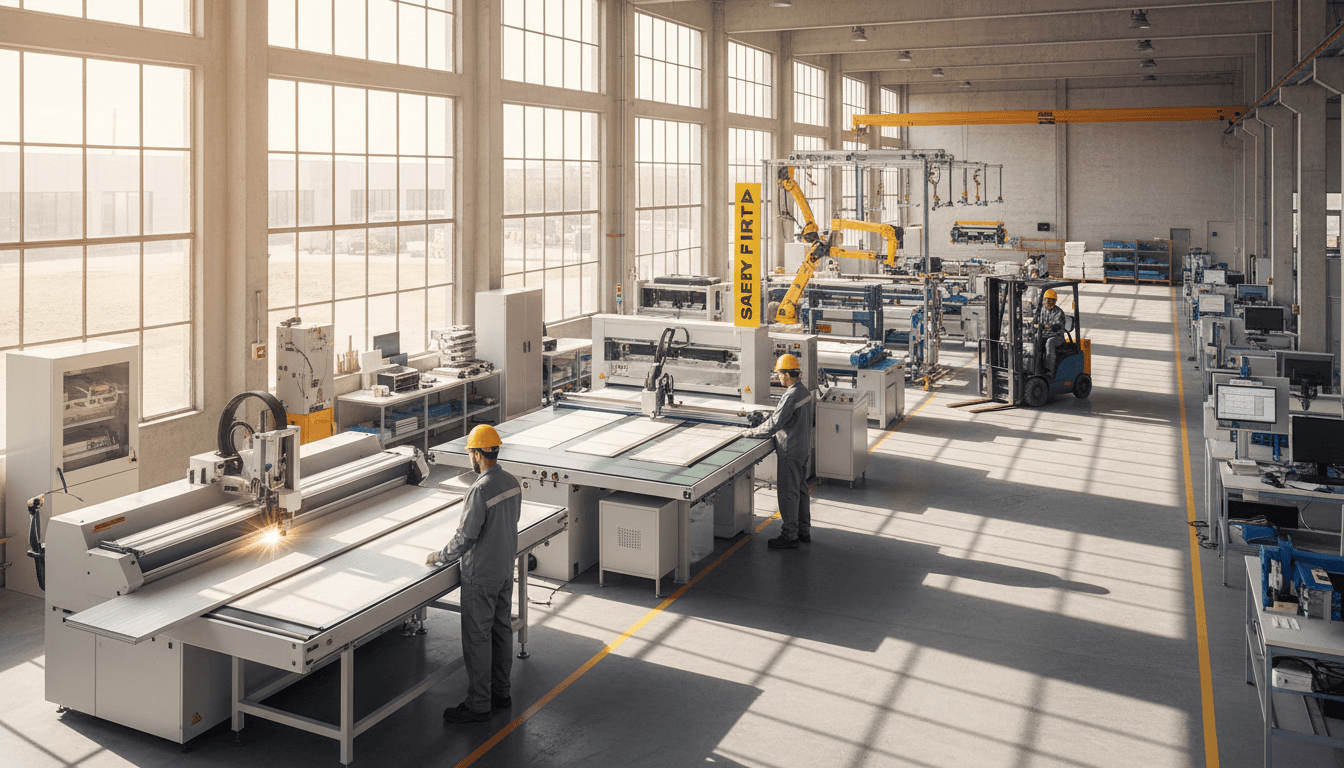
US shops win in 2026 by offering shorter lead times, reduced shipping costs, and better supply chain resilience against global geopolitical instability. When evaluating domestic fabrication vs overseas manufacturing, domestic options provide superior quality control and AI-driven efficiency that offset traditional labor cost advantages.
For years, procurement teams have balanced on the razor edge of low unit costs and long overseas lead times. However, the true expense of a three-month shipping delay or a batch of substandard components often outweighs any initial savings. In the evolving industrial landscape of 2026, these logistical headaches are no longer just inconveniences; they are existential threats to your production schedule. Relying on distant factories often means sacrificing the immediate oversight and technical agility required to compete in a modern market. This guide explores why domestic fabrication is reclaiming its position as the superior choice for high-stakes projects. You will learn about the proximity advantage, the hidden financial drain of international logistics, and how reshoring ensures both quality control and supply chain resilience. We will also examine why the Made in USA label carries more weight than ever for today’s discerning consumers.
The 2026 Reshoring Surge: Why the Global Manufacturing Map is Changing
The global manufacturing landscape is undergoing a permanent realignment in 2026. For decades, the industry standard focused almost exclusively on finding the lowest unit price in distant markets. Today, that "cheap overseas" model is being replaced by a critical focus on supply chain resilience and local accountability. Businesses have realized that the distance between design and production creates vulnerabilities that no amount of per-unit savings can justify.
Industry data highlights this movement. Nearly 60 percent of American shops are currently quoting or producing work that was previously handled abroad. This shift toward domestic fabrication vs overseas manufacturing is driven by a need for stability and repeatable quality. Companies are no longer willing to gamble on international shipping delays or opaque quality control processes that exist thousands of miles away.
Duchesne Manufacturing serves as a dedicated partner in this new era. Based in Duchesne, Utah, we provide dependable manufacturing and production solutions built on a foundation of precision and real-world performance. By leveraging skilled fabrication and assembly within the United States, we help our clients eliminate the risks associated with global instability. Our approach focuses on technical excellence and consistent results, ensuring that products meet demanding industry standards without the logistical headaches of the past.
The Proximity Advantage: Bridging the Gap Between Engineering and Production

The most compelling driver behind the reshoring trend is the physical location of production relative to engineering teams. According to the 2025 Reshoring Initiative survey, 45 percent of original equipment manufacturers cite proximity to engineering as the primary reason for moving operations back home. When manufacturing happens thousands of miles away, an invisible wall often forms between the design intent and the final product. This distance prevents engineers from observing the fabrication process, leading to misinterpretations of tolerances or material behaviors that only become apparent after a shipment arrives.
In the debate of domestic fabrication vs overseas manufacturing, the ability to collaborate in real time is a decisive technical advantage. When a project stays within the same time zone, or better yet, within the same state, the iteration cycle accelerates significantly. For instance, if a technician at Duchesne Manufacturing identifies a clearance issue during a trial assembly, they can contact the design engineer immediately. Problems that would typically trigger a chain of overnight emails and shipping delays are resolved in a single afternoon. This direct feedback loop ensures that dependable manufacturing and production solutions are refined before mass production begins.
This proximity reduces the prototype to production lag that frequently stalls product launches. In a domestic setting, engineers can visit the facility to oversee first article inspections or adjust tooling on the fly. This hands-on approach eliminates the guesswork inherent in international production. By choosing to partner with us for production support, businesses gain access to skilled fabrication and assembly where the shop floor and the engineering desk remain in constant communication. This synergy minimizes errors, maintains strict precision standards, and allows for a level of agility that distant suppliers simply cannot match. Eliminating the geographic gap ensures that the final product functions exactly as it was modeled on the screen.
Domestic Fabrication vs Overseas Manufacturing: Uncovering the Hidden Costs
Looking strictly at a price per part estimate often masks the true financial impact of production. In the debate between domestic fabrication vs overseas manufacturing, the quoted unit price from an international vendor is frequently just the starting point of a complex expense chain. By the time a product reaches a warehouse in the United States, the Total Cost of Ownership (TCO) has often ballooned far beyond the original projections.
Tariffs have become a volatile factor in 2026 budgets. Following the 2025 pricing shifts, many international imports now carry a 20 to 30 percent tariff surcharge. This single line item can instantly erase the perceived savings of lower overseas labor rates. When added to the rising costs of international ocean freight and escalating port fees, the supposedly cheaper alternative often becomes a financial liability.
Cost Category | Overseas Manufacturing | Domestic Fabrication (Duchesne) |
|---|---|---|
Import Tariffs | 20% to 30% added cost | 0% |
Shipping/Freight | High (International/Ocean) | Low (Domestic/Regional) |
Port & Customs Fees | Brokerage and storage fees | None |
Regulatory Delays | Technical and certification barriers | Integrated U.S. standards |
Beyond the line items on an invoice, soft costs significantly erode profit margins. International shipments frequently encounter delays due to evolving technical regulations and certification procedures. Navigating these bureaucratic hurdles requires time and specialized personnel; these are costs rarely accounted for in the initial quote. When a shipment is held at a port for weeks due to a documentation error or a new certification requirement, the resulting stockouts and missed delivery windows represent tangible lost revenue.
Domestic fabrication eliminates these layers of complexity. By sourcing dependable manufacturing and production solutions within the U.S., companies bypass customs brokerage fees and the unpredictable nature of international logistics. At Duchesne Manufacturing, we provide skilled fabrication and assembly that adheres to domestic standards from the start of the project. There are no hidden port fees or surprise tariff adjustments to navigate. Choosing to partner with us for production support means your capital is spent on material quality and precision labor rather than international bureaucracy and shipping containers.
Quality Control and the Accountability Factor
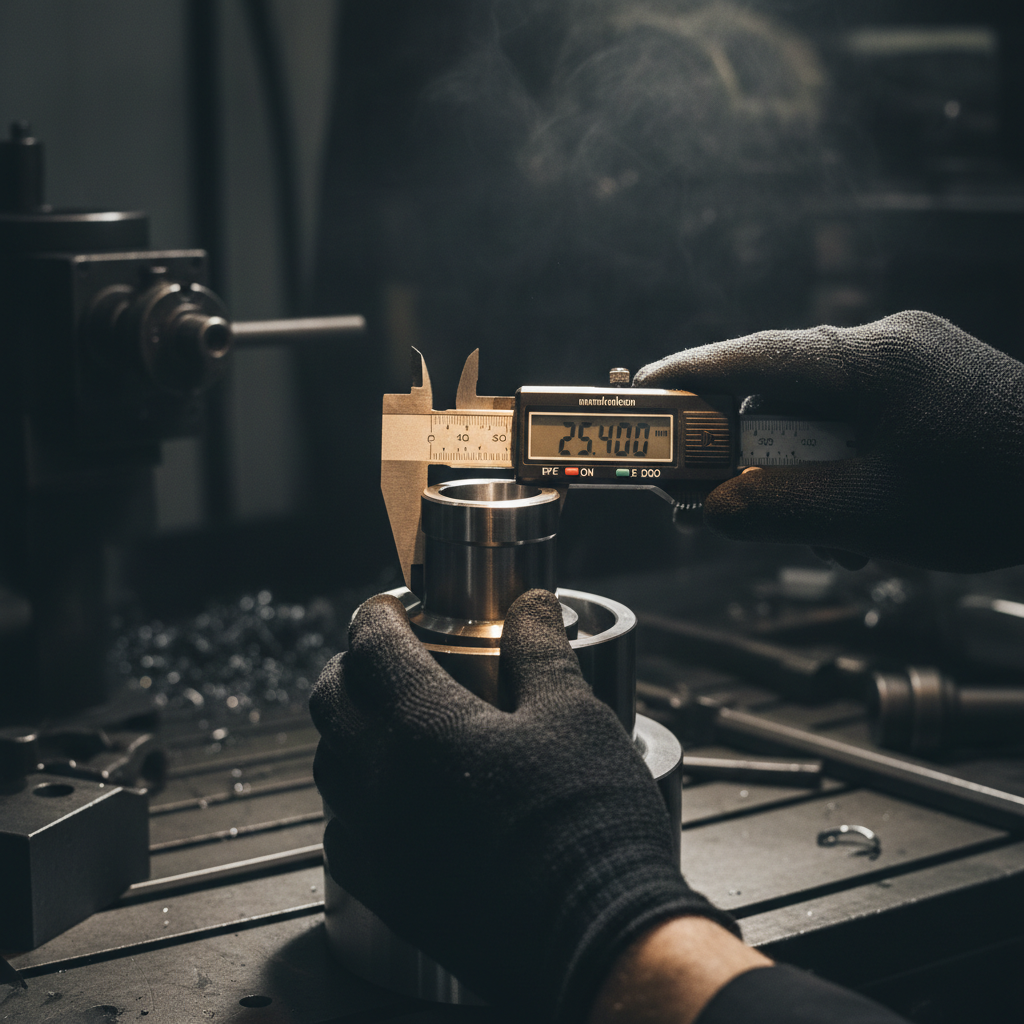
A frequent question among procurement managers is how to resolve recurring quality defects when the supplier is thousands of miles away. The reality of overseas manufacturing is that quality control is almost entirely reactive. Inspections typically happen after parts are finished and crated. If a tolerance is missed or a weld fails to meet specifications, the error is often discovered only after the container arrives at a domestic port. At that stage, the cost of the defect includes not just the scrap material, but also weeks of lost time and the logistical nightmare of returning or reworking bulk shipments.
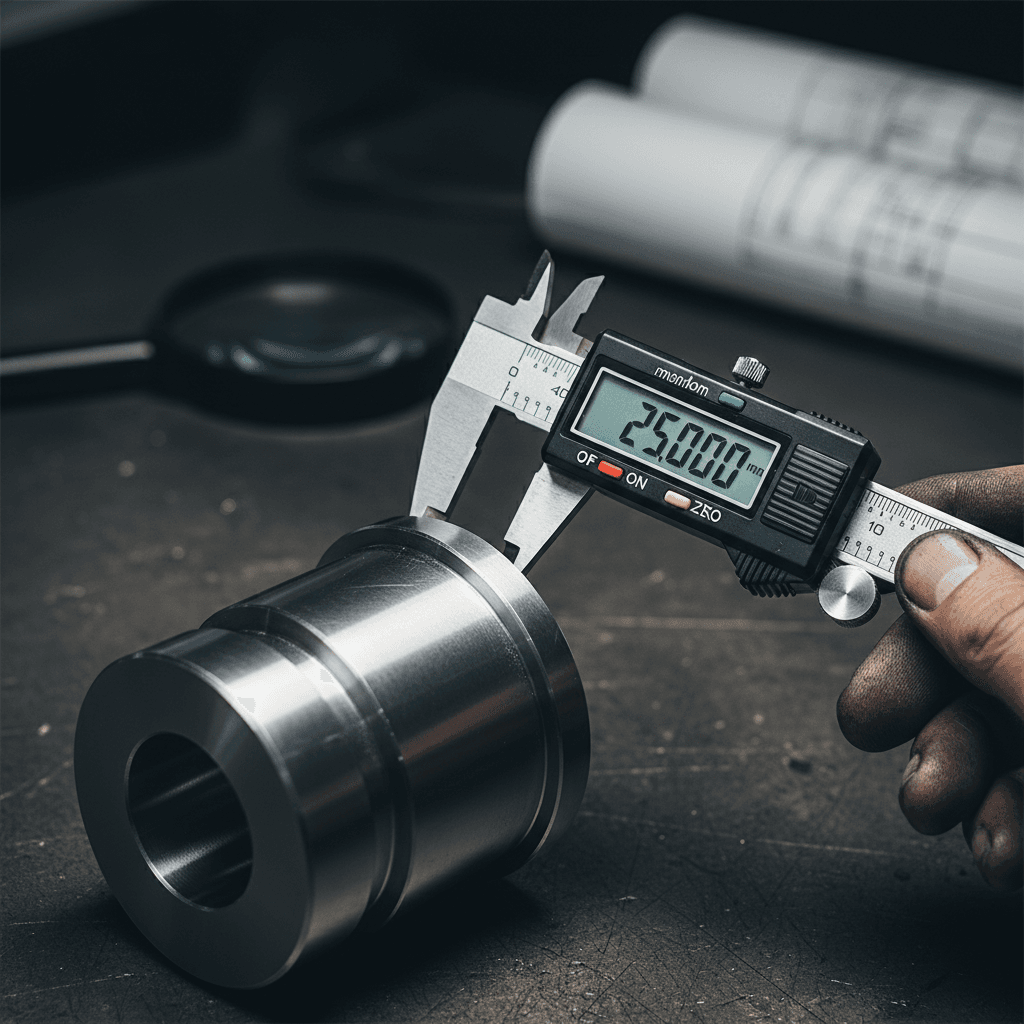
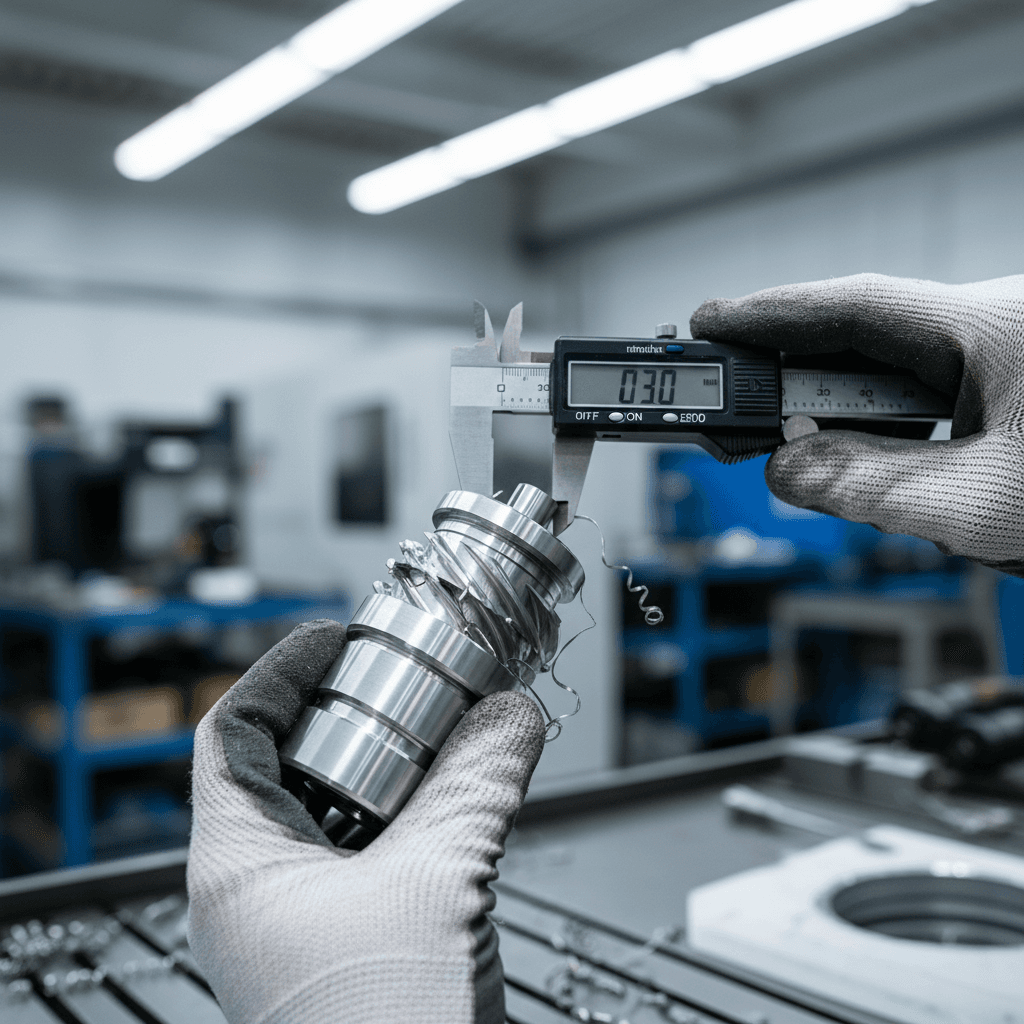
In the technical landscape of domestic fabrication vs overseas manufacturing, accountability is built into the workflow rather than added at the end. At Duchesne Manufacturing, our quality standards are proactive; attention to detail is integrated into every workstation during the skilled fabrication and assembly process. This method ensures that precision requirements are met in real time. If a component deviates from the design file, the issue is corrected immediately, preventing a single error from compounding into a faulty production run. We utilize repeatable production methods that emphasize consistency, ensuring that the thousandth part is as accurate as the first.
By choosing to partner with us for production support, businesses secure a direct line to the shop floor. Our team provides dependable manufacturing and production solutions that prioritize durability and real world performance. We handle complex fabrication with a focus on technical accountability; this eliminates the risk of receiving unusable inventory and allows for tighter control over the final product’s integrity. Relying on a local partner means that quality is a continuous process, not a final gamble.
Supply Chain Resilience and Reduced Geopolitical Risk
The manufacturing industry outlook for 2026 is defined by volatility. Trade disputes, fluctuating fuel prices, and instability in key shipping lanes have made the long distance supply chain a significant business risk. In the ongoing evaluation of domestic fabrication vs overseas manufacturing, the primary differentiator has become resilience. A company relying on components from across the ocean is vulnerable to events entirely outside its control, from port strikes to sudden policy shifts in foreign jurisdictions.
Sourcing locally in Utah provides a critical buffer against these global disruptions. When you partner with us for production support, your inventory is not sitting on a container ship for six weeks. Domestic sourcing allows for significantly shorter lead times, which means you can maintain leaner inventory levels without the fear of a stockout caused by a logistics bottleneck. This proximity also grants real-time visibility into the production schedule. Instead of waiting for a weekly status report from a different time zone, our clients can verify the progress of their skilled fabrication and assembly projects through direct, timely communication.
This agility is essential in a volatile market. When consumer demand shifts or a design requires a mid-production update, a local partner can pivot quickly. Domestic production enables a level of responsiveness that protects your bottom line from the "all or nothing" nature of bulk international orders. By securing dependable manufacturing and production solutions within the United States, businesses effectively decouple their success from geopolitical instability, ensuring that their delivery promises are kept regardless of global trade conditions.
The Made in USA Premium: Meeting 2026 Consumer Demands
While the logistical and financial benefits of reshoring are clear to operations managers, the impact on the end consumer is equally significant. Current market data reveals that 70 percent of consumers are willing to pay a premium for products manufactured within the United States. This shift indicates that the choice of domestic fabrication vs overseas manufacturing has transitioned from a back end logistical concern into a primary brand strategy. Buyers in 2026 equate the "Made in USA" label with higher standards of durability and ethical production; they are no longer prioritizing the absolute lowest price over product longevity.
Leveraging skilled fabrication and assembly at a domestic level allows businesses to position their products in a higher market tier. This perceived value frequently translates into a 20 percent higher price point compared to imported alternatives. When a product is built with the precision and attention to detail found at Duchesne Manufacturing, the marketing message shifts from price competition to performance reliability. Consumers trust that a domestic shop adheres to strict environmental and safety regulations, which builds a level of brand equity that is difficult to replicate with offshore sources.
Utilizing dependable manufacturing and production solutions right here in Utah provides the transparency today’s buyers demand. They want to know where their goods come from and who made them. When you partner with us for production support, you gain the ability to market a product that is not just a commodity, but a tool or component backed by American accountability. This trust is the ultimate differentiator in a crowded marketplace, ensuring that your product stands out for its quality and origin rather than its discount.
Choosing domestic fabrication ensures your projects benefit from superior quality control and faster turnaround times. As global logistics become more complex, the reliability of a local partner provides a significant advantage for your production goals. If you want expert help navigating these manufacturing choices, you can learn more about our team and our commitment to excellence. We are here to support your domestic supply chain needs with precision and care.