Selecting the right provider involves evaluating their technical capabilities, quality certifications, and communication protocols to ensure they align with your project requirements. When determining how to choose a precision fabrication partner, prioritize companies that offer modern equipment, a skilled workforce, and a proven track record of reliability in your specific industry.
Missed deadlines, out-of-spec parts, and communication breakdowns can derail a complex project before it even hits the assembly line. A low bid often masks hidden costs in rework and lost time, turning a perceived saving into a liability. Selecting a fabrication partner is not just about finding a shop with a laser cutter; it is about securing a reliable extension of your own production floor. Precision is a requirement, not a luxury, when your reputation depends on the integrity of every weld and tolerance. This guide examines how to vet technical capabilities, verify quality control standards, and evaluate long term scalability. We will also discuss the strategic benefits of a domestic partnership right here in Duchesne, Utah. By the end, you will have a clear checklist to ensure your chosen fabricator can meet your specifications today and your growth targets tomorrow.
Beyond the Quote: Why Selecting a Precision Fabrication Partner Matters
When evaluating how to choose a precision fabrication partner, it is tempting to focus solely on the bottom line of a quote. However, the initial price tag rarely reflects the true cost of production. A low bid from a generic vendor often results in hidden expenses such as material waste, extensive rework, and missed delivery windows that stall your entire workflow. In precision manufacturing, a cheap component that fails in the field or requires secondary adjustments at your facility is never a bargain.
The distinction lies in the difference between a vendor and a strategic partner. A vendor provides machine time, but a strategic partner provides dependable manufacturing and production solutions that prioritize the long-term lifecycle of the part. For industries requiring high-durability components, precision is not just about meeting a drawing specification; it is about ensuring the final product survives demanding environmental conditions.
A true partner offers design-for-manufacturability insights early in the process. This involves reviewing technical drawings to identify potential points of failure or unnecessary complexities that drive up costs. By leveraging skilled fabrication and assembly, a partner helps streamline production rather than just fulfilling a purchase order. Choosing a partner based on their ability to offer production support ensures that precision and durability are built into the process, preventing the expensive delays associated with subpar fabrication.
Assessing Core Technical Capabilities and Equipment Limits
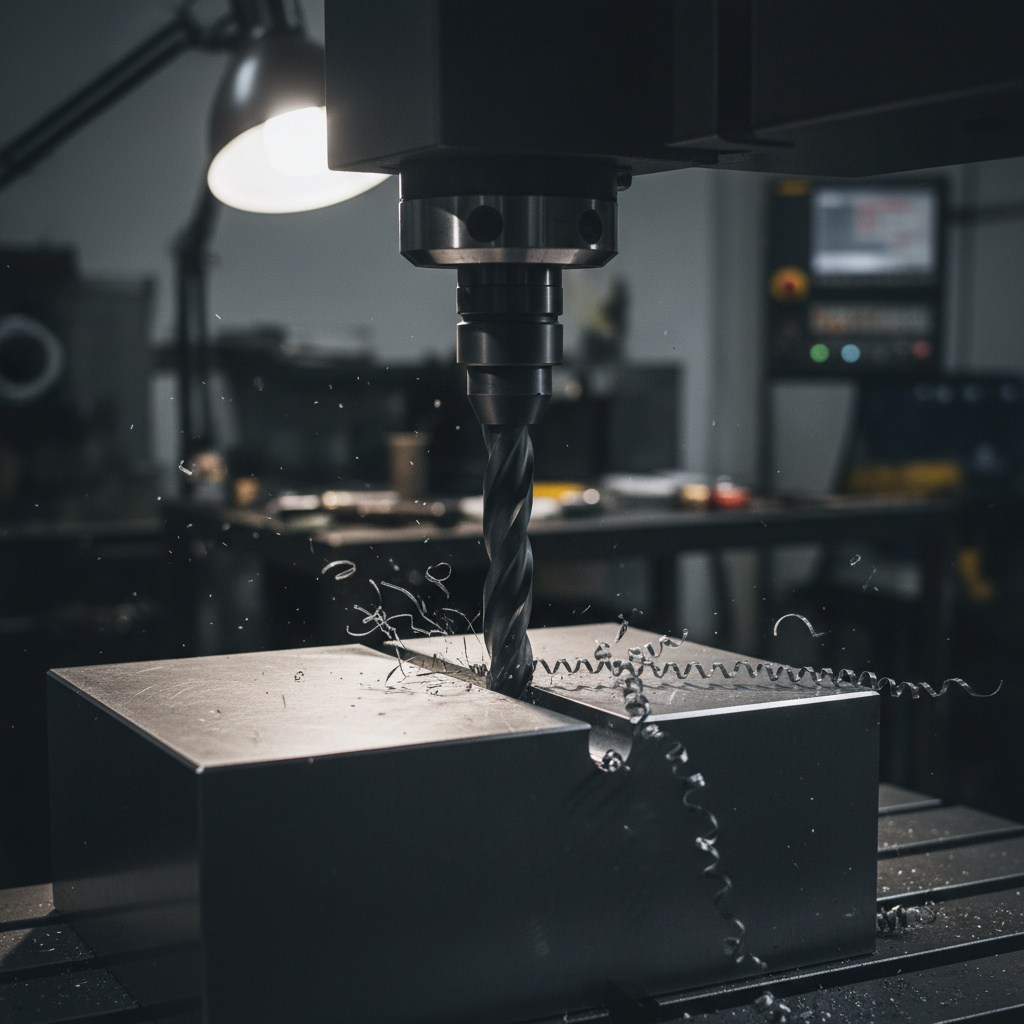
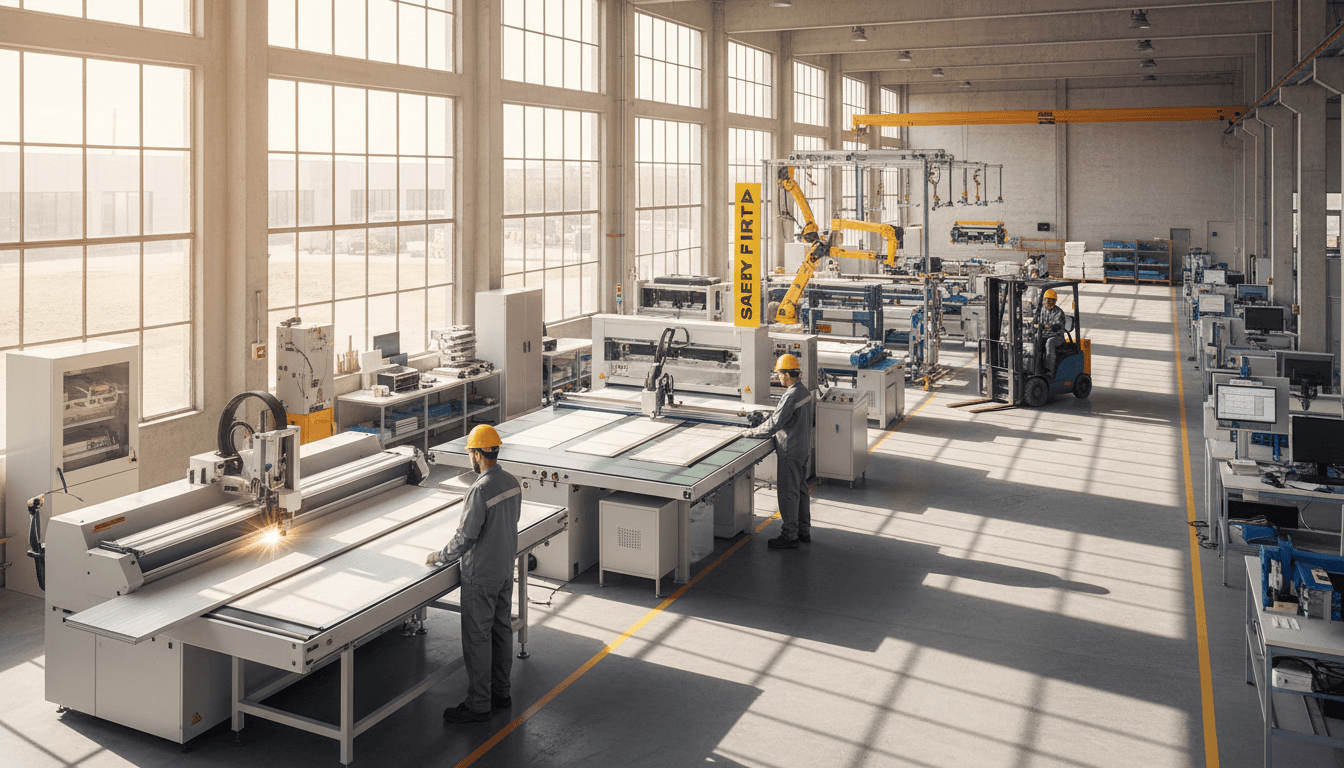
When considering how to choose a precision fabrication partner, the focus should shift from the quantity of machines to the quality of their outputs. Evaluating a partner's technical depth begins with their equipment list, but a list of machine names is only a baseline. You must determine if their specific machinery aligns with your required tolerances. A generic metal shop might possess manual shears and basic welding rigs, which are suitable for structural frames but insufficient for complex geometries. A true precision partner utilizes modern CNC technology and high-powered laser cutting systems to ensure repeatability. Laser cutting offers superior edge quality and tighter tolerances compared to traditional punching, significantly reducing material waste.
Transparency regarding machine capacity is a hallmark of a professional operation. Ask for specifics on the thickness ranges and grades the shop handles most frequently. While many shops claim to work with metal, a specialist should demonstrate expertise in specific alloys like 300-series stainless steel, aircraft-grade aluminum, or heavy plate for industrial applications.
Capability | Generic Metal Shop | Precision Fabrication Partner |
|---|---|---|
Primary Focus | General construction and repair | Complex geometries and tight tolerances |
Cutting Method | Manual or basic plasma | CNC Laser or high-precision punch |
Material Expertise | Mild steel and structural shapes | Stainless, aluminum, and heavy plate |
Measurement | Standard tools and levels | Metrology-grade calipers and gauges |
Real-world performance depends on the fabricator's ability to push their equipment without compromising structural integrity. If a project requires intricate bends or heavy plate components that must interface perfectly with other assemblies, the shop must prove they have the braking and forming capacity to match. Ensuring they provide skilled fabrication and assembly means verifying that their equipment can actually hold the tolerances your drawings demand. This technical verification is the only way to guarantee that components will function as intended in the field.
The Quality Control Standard: More Than Just a Checklist
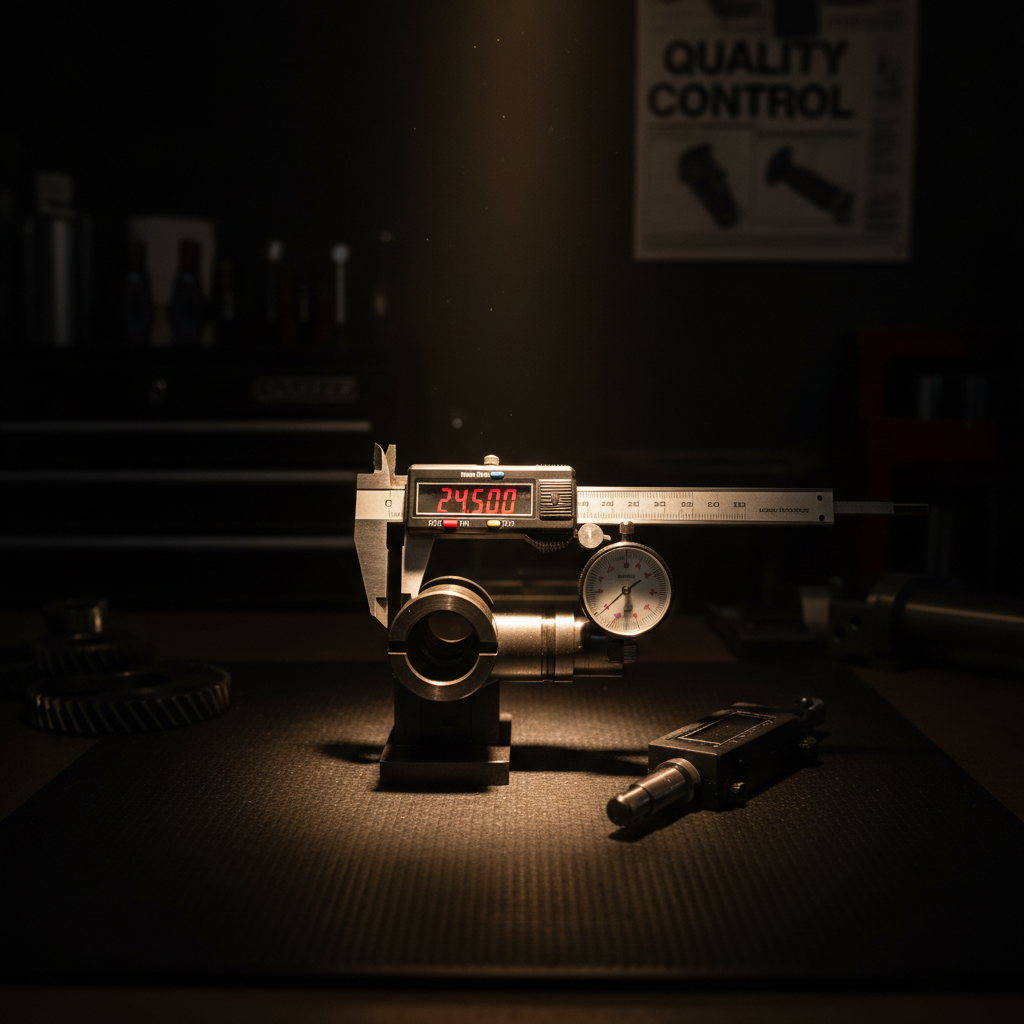
Verifying technical capabilities is only half the battle; the other half is ensuring that those capabilities are applied consistently across every single unit. When determining how to choose a precision fabrication partner, you must look beyond a basic checklist. A robust quality control process separates shops that simply cut metal from those that provide dependable manufacturing and production solutions.
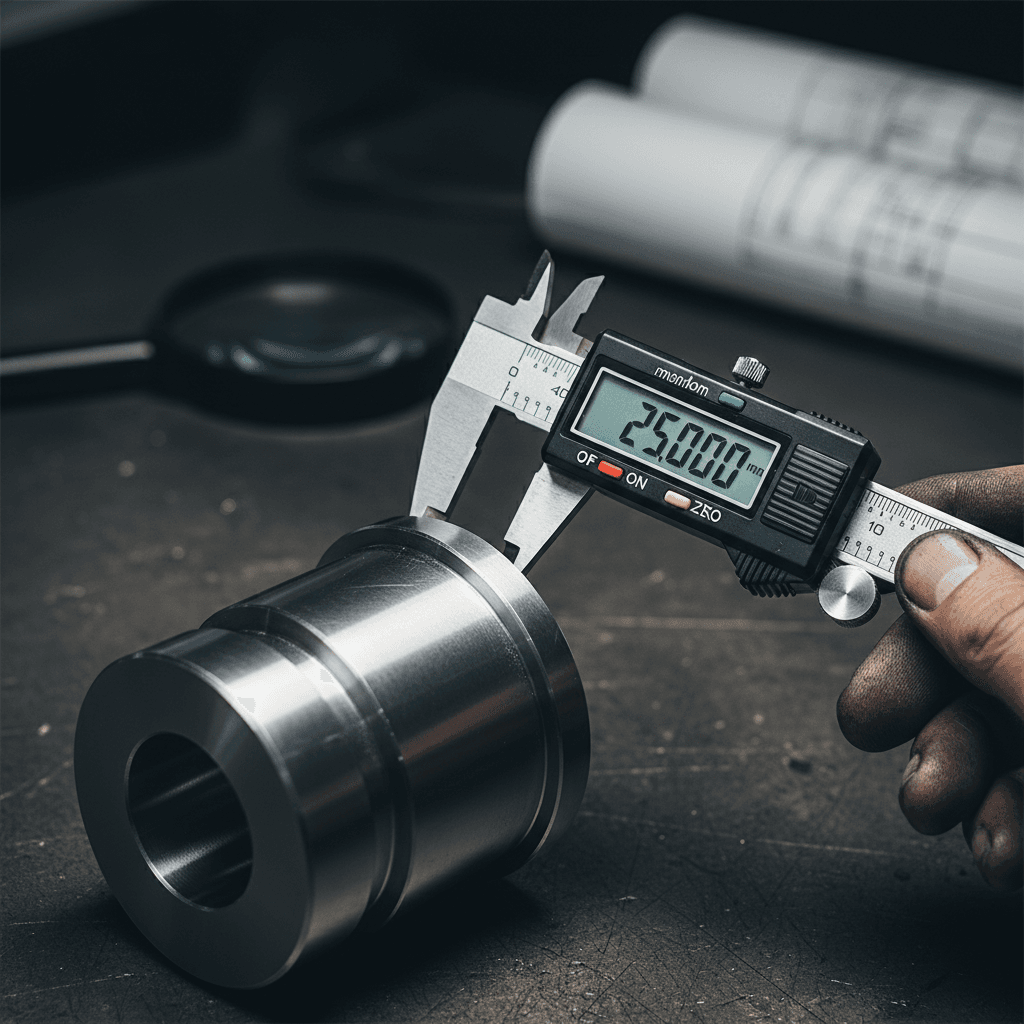
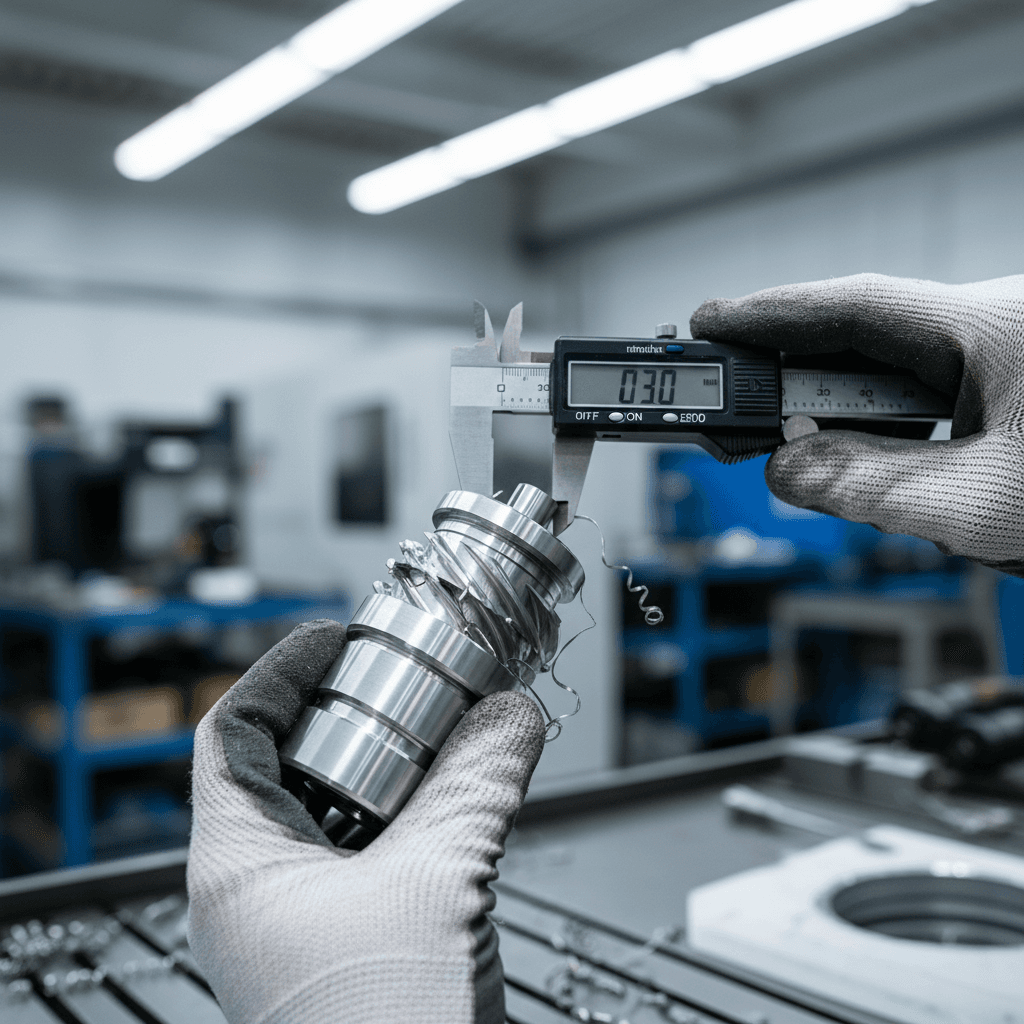
Quality assurance relies on the distinction between visual inspection and metrology. While a visual check can spot surface defects or obvious welding errors, it cannot confirm that a part meets a tolerance of +/- .005 inches. True precision requires metrology, which is the scientific study of measurement. A reliable partner utilizes calibrated digital calipers, height gauges, and Coordinate Measuring Machines (CMM) to validate complex geometries. This data-driven approach ensures that the physical part matches the digital design exactly.
Inspection Level | Method | Purpose |
|---|---|---|
Visual | Human Eye / Magnification | Surface finish, weld continuity, burr removal |
Manual Metrology | Calipers, Micrometers | Linear dimensions and thickness verification |
Advanced Metrology | CMM / Laser Scanners | Complex curves, hole alignment, and GD&T |
Repeatable production methods are the foundation of accountability. You should ask potential partners about their Quality Management System (QMS) and how they document non-conforming parts. A shop that lacks a formal process for isolating and analyzing errors is likely to ship faulty components that fail in demanding environmental conditions. In industries where equipment is exposed to extreme vibration or corrosive elements, these failures are unacceptable.
Effective skilled fabrication and assembly depends on a feedback loop where every deviation is recorded and corrected. This level of scrutiny ensures that the thousandth part off the line is as precise as the first. If a shop cannot explain their process for material traceability or how they handle surge capacity without sacrificing these standards, they are a vendor, not a partner. If you have specific tolerance requirements, you should contact Duchesne Manufacturing to discuss how our repeatable processes ensure consistent real-world performance.
Communication and Workflow Integration

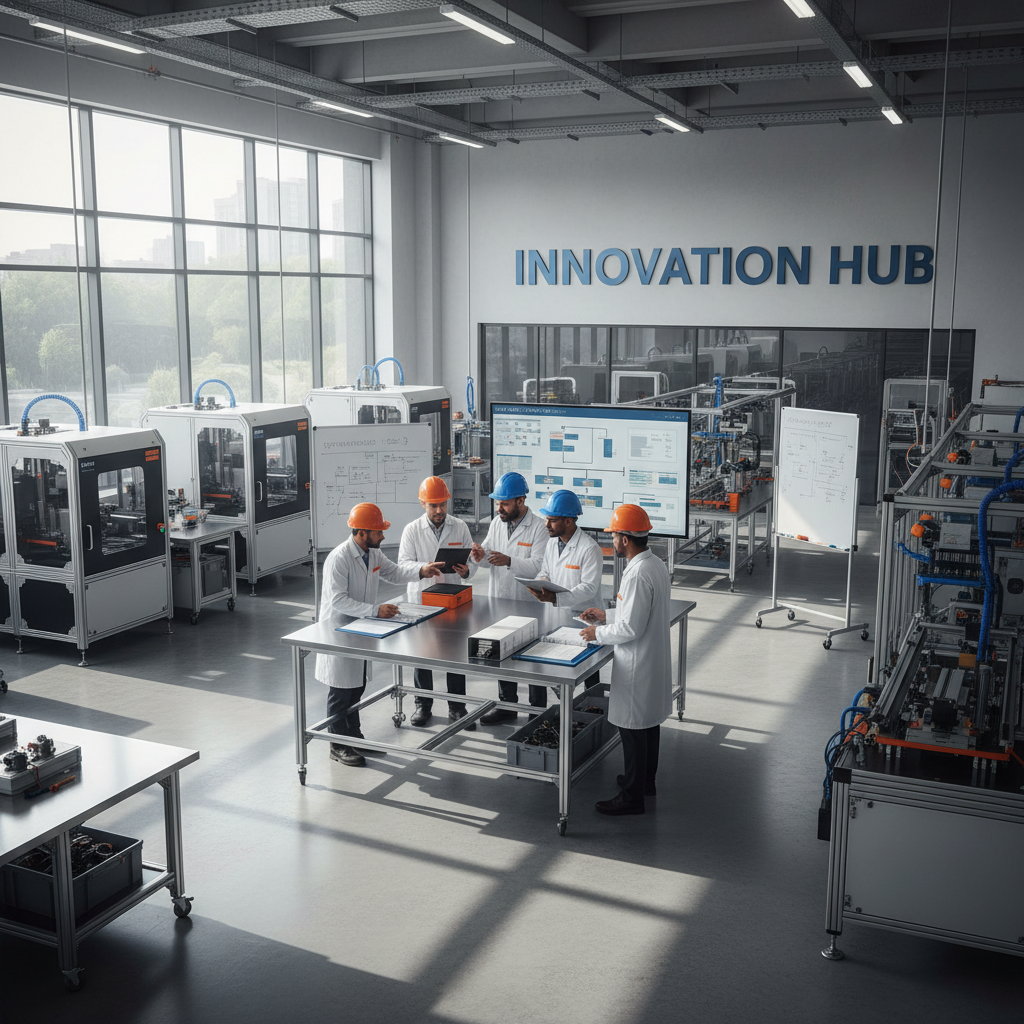
Even the most advanced machinery cannot compensate for a breakdown in communication. When evaluating how to choose a precision fabrication partner, the human element of the workflow is as critical as the equipment. A successful partnership relies on responsiveness and transparency, particularly during the prototyping phase. A shop should not simply act as a passive recipient of your files; they should actively review technical drawings to provide design-for-manufacturability feedback. By identifying opportunities to simplify a complex bend or reduce weld cycles, they provide skilled fabrication and assembly that lowers your total cost of production.
Project visibility is a significant factor in selecting a partner. Choosing a domestic provider based in Utah ensures that your fabricator understands your specific industry milestones and speaks your language. Local accountability means you avoid the friction of massive time zone shifts or cultural barriers that often plague overseas engagements. You gain the ability to discuss revisions in real time or even visit the facility to inspect a first-article prototype, which is vital for maintaining tight production schedules.
Reliable partners provide dependable manufacturing and production solutions by integrating their schedule with yours. They should be willing to document progress and offer clear, honest timelines rather than vague estimates. If you are looking for a partner that prioritizes clear communication and practical design feedback, you should contact Duchesne Manufacturing to discuss how our team can streamline your next project.
Scalability and Repeatability: Can They Grow With Your Business?
A critical factor in how to choose a precision fabrication partner is determining whether the shop is a boutique prototype house or a true production partner. While a boutique shop may excel at one-off designs, they often lack the systems required for high-volume repeatability. A production partner focuses on creating dependable manufacturing and production solutions that remain stable regardless of order size. This stability relies heavily on formal process documentation. Without written procedures for every bend, weld, and finish, your product quality will inevitably drift as volume increases.
Scalability is more than just having extra floor space; it is about the shop's ability to maintain lead time reliability when demand spikes. If your needs grow by 300 percent, a partner must demonstrate how they manage surge capacity without compromising the tolerances established during the prototyping phase. You should evaluate their history with long-term contracts and their methods for maintaining skilled fabrication and assembly standards under pressure. A partner that relies on the tribal knowledge of a few employees rather than documented workflows poses a significant risk to your supply chain. For those requiring a partner capable of growing alongside their business, you can contact Duchesne Manufacturing to review our production support capabilities and repeatable production methods.
The Value of a Domestic Partnership in Duchesne, Utah
Selecting a domestic partner in Duchesne, Utah, introduces a level of accountability that international vendors cannot replicate. When evaluating how to choose a precision fabrication partner, proximity should be viewed as a quality control tool. A local partnership eliminates the logistical friction of overseas shipping and customs delays, ensuring that components arrive when needed. More importantly, it facilitates direct communication between your engineering team and the people on the shop floor.
Being able to visit a facility or pick up the phone to speak with a lead fabricator reduces the risk of misinterpretation. At Duchesne Manufacturing, our focus on real-world performance is driven by the practical needs of US-based industries. We provide skilled fabrication and assembly that benefits from immediate feedback loops and verifiable material traceability. This hands-on oversight ensures every part meets its intended environmental requirements without the guesswork. Choosing a regional partner ensures dependable manufacturing and production solutions through transparent workflows and shared standards of excellence. To discuss the benefits of local production for your next project, contact Duchesne Manufacturing today.
The Pre-Contract Checklist: 5 Questions to Ask Your Fabricator
Solidifying a regional partnership involves more than a handshake; it requires a deep dive into the fabricator's operational habits. When finalizing your decision on how to choose a precision fabrication partner, use this checklist to gauge their commitment to precision and real-world performance.
What is your typical lead time for precision components? A partner should provide a realistic window based on current shop floor utilization, not an optimistic guess that fails under pressure.
How do you document quality inspections for every batch? Reliable dependable manufacturing and production solutions require paper or digital trails showing that each unit was measured against your specific tolerances using calibrated metrology tools.
Can you provide design feedback to lower my production costs? Seek a partner who offers skilled fabrication and assembly insights to simplify geometries or reduce unnecessary weld cycles during the early design phase.
What is your process for handling material traceability? Ensure the shop can provide Mill Test Reports (MTRs) to prove the alloy used matches your specifications for durability and industrial compliance.
How do you manage surge capacity during peak demand periods? Ask about their documented cross-training for staff and flexible scheduling methods that maintain lead times when your volume increases by 200 or 300 percent.
If a shop hesitates on these specifics, they likely lack the repeatable production methods necessary for long-term success. You can contact Duchesne Manufacturing to see how our Utah-based team addresses these critical operational standards for every client.
Selecting a precision fabrication partner involves more than just comparing quotes; it requires finding a balance of technical skill, reliability, and clear communication. When you prioritize these factors, you ensure the long term success of your projects. If you want expert help streamlining your manufacturing process, we are here to support your goals. You can learn more about our history and dedicated approach to quality. Our team remains focused on delivering excellence so that you can focus on growing your business with confidence.