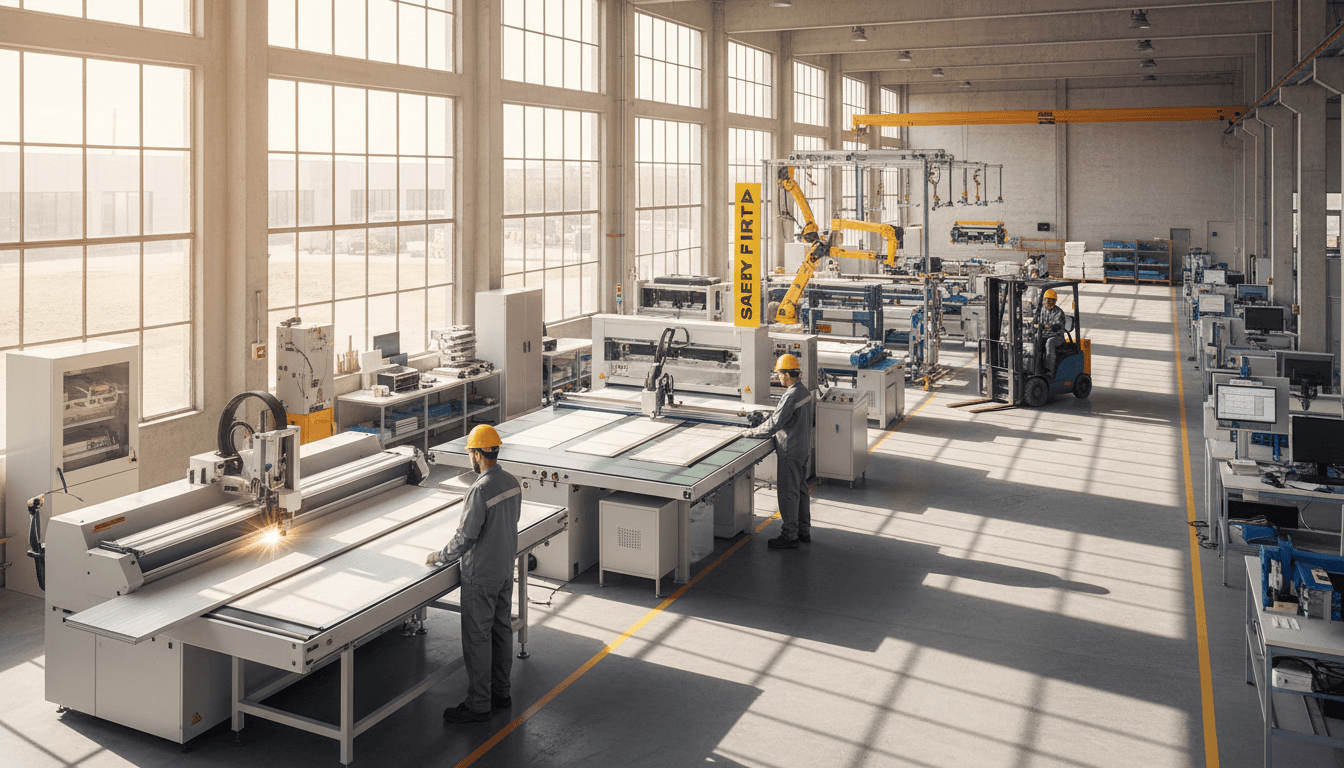
To reduce manufacturing lead time, companies should implement lean manufacturing principles, prioritize domestic suppliers, and optimize production scheduling to eliminate bottlenecks. Integrating suppliers into demand forecasting and investing in automation further streamlines workflows; these strategies ensure faster delivery times and improved market flexibility for custom projects.
In the world of custom manufacturing, time is often the most expensive commodity. When lead times stretch beyond the promised delivery date, the ripple effects compromise project budgets, client trust, and market competitiveness. Speed is not merely about rushing a job through production; it requires a calculated approach to eliminating inefficiencies across the entire supply chain. This article explores practical strategies to compress your timelines without sacrificing the precision your custom projects demand. You will learn how to optimize the pre production phase through Design for Manufacturability, the strategic benefits of local sourcing, and the application of lean principles to minimize changeover delays. By refining these workflows, you can transform lead time from a logistical hurdle into a distinct competitive advantage.
Understanding the Impact of Lead Time on Custom Manufacturing
Lead time in custom manufacturing is the total duration from the initial customer request to the final delivery of the finished product. It encompasses everything from the administrative quoting process and material procurement to actual fabrication and shipping. For companies across Utah and the broader U.S. market, the ability to reduce manufacturing lead time is a critical driver of success. Shorter windows allow for a faster time to market, improved cash flow, and the flexibility to respond to shifting demand without maintaining excessive inventory.
At Duchesne Manufacturing, we focus on providing dependable manufacturing and production solutions that prioritize these timelines. It is important to distinguish between lead time and cycle time to avoid common planning errors. While cycle time refers specifically to the duration of a single operation, such as the time a part spends on a CNC mill, lead time accounts for the entire lifecycle of the order, including the wait time between stages.
In contract manufacturing, managing these gaps is often more impactful than simply increasing machine speeds. Optimizing this total window ensures that projects move from the design phase to the shop floor without unnecessary friction, maintaining the precision and durability required for demanding environments. When schedules are tight, understanding this distinction allows for more accurate forecasting and reliable delivery.
The Manufacturing Lead Time Formula: Identifying Bottlenecks
To effectively reduce manufacturing lead time, you must first break the process down into its component parts. We use a straightforward formula to audit our performance and identify where projects lose momentum:
Lead Time = Pre-processing + Processing + Post-processing
Phase | Primary Activities | Common Delay Factors |
|---|---|---|
Pre-processing | Quoting, CAD review, material sourcing | Incomplete specifications, supply chain lag |
Processing | Actual fabrication, welding, assembly | Machine availability, setup times |
Post-processing | Inspection, finishing, logistics | Rework loops, shipping coordination |
Using this formula allows you to pinpoint exactly where a project stalls. In custom fabrication, bottlenecks frequently occur during the pre-processing stage. If a quote takes four days to finalize or raw materials are stuck in transit, the efficiency of the shop floor becomes secondary to the administrative overhead.
When clients ask what reduces lead time most significantly, the answer is rarely found by simply running machines at higher speeds. Real improvement comes from attacking the "wait times" between these three phases. A part sitting on a pallet waiting for inspection is just as delayed as a part waiting for a tool. By optimizing the hand-offs, such as ensuring inspection happens immediately after fabrication or sourcing materials from reliable domestic partners, we eliminate the friction that causes schedules to slip. If you are seeing delays in your current workflow, you can contact our fabrication team to discuss how a more streamlined, integrated approach can stabilize your production schedule and ensure consistent delivery.
Optimize the Pre Production Phase through Design for Manufacturability

The administrative lead time often represents the single largest delay in a project lifecycle. When a design moves from an engineer’s desk to our shop floor, any ambiguity in the specifications creates a "wait state" where production stops to seek clarification. Implementing a Design for Manufacturability (DFM) review at the very start of a project is the most effective way to eliminate these back and forth delays.
By evaluating a part’s geometry, material selection, and tolerances early on, we identify features that might be difficult or unnecessarily costly to produce. A DFM review ensures that the design aligns perfectly with the capabilities of the machinery and the skills of the fabrication team. This proactive approach prevents "engineering holds" where a project sits idle because a specific radius cannot be machined efficiently or a weld joint is inaccessible.
To ensure the quote and setup phases move quickly, providing clean CAD files and comprehensive specifications is essential. High quality digital files allow for immediate analysis and faster toolpath generation. When you partner with Duchesne Manufacturing, providing clear documentation allows us to leverage our repeatable production methods from day one. This strengthens the design to production relationship; it transforms the manufacturer from a simple vendor into a technical partner. By resolving production hurdles during this pre-production phase, we significantly reduce manufacturing lead time and ensure the final product meets its real world performance requirements without the friction of mid-project redesigns.
Sourcing Locally to Eliminate Logistics Delays
Even the most efficient shop floor cannot overcome a fractured supply chain. Transitioning from the design phase to physical production requires a reliable stream of raw materials and components; sourcing these locally is a primary lever to reduce manufacturing lead time. Overseas procurement introduces unpredictable variables, such as port congestion, customs delays, and international shipping bottlenecks, that can add months to a project timeline. By prioritizing domestic fabrication, particularly within a centralized region like the Mountain West, businesses eliminate the volatility inherent in global logistics.
Standard lead time expectations differ drastically between domestic and overseas sources. While an overseas order for custom components may carry a 12 to 20 week lead time, a domestic partner in Duchesne, Utah, can often deliver the same results in 4 to 6 weeks. This compression allows for more accurate demand forecasting. Because the window between ordering and delivery is shorter, you can react to market shifts without the risk of overstocking or facing sudden shortages.
Proximity also facilitates faster feedback loops. If a project requires a rapid adjustment or a physical inspection of a prototype, working with a US based team allows for immediate communication and resolution. This transparency ensures that accountability remains high throughout the production cycle. If you are looking to stabilize your supply chain and shorten your delivery windows, you can contact our fabrication team to discuss local sourcing options that prioritize reliability.
Implement Lean Manufacturing and Efficient Changeovers
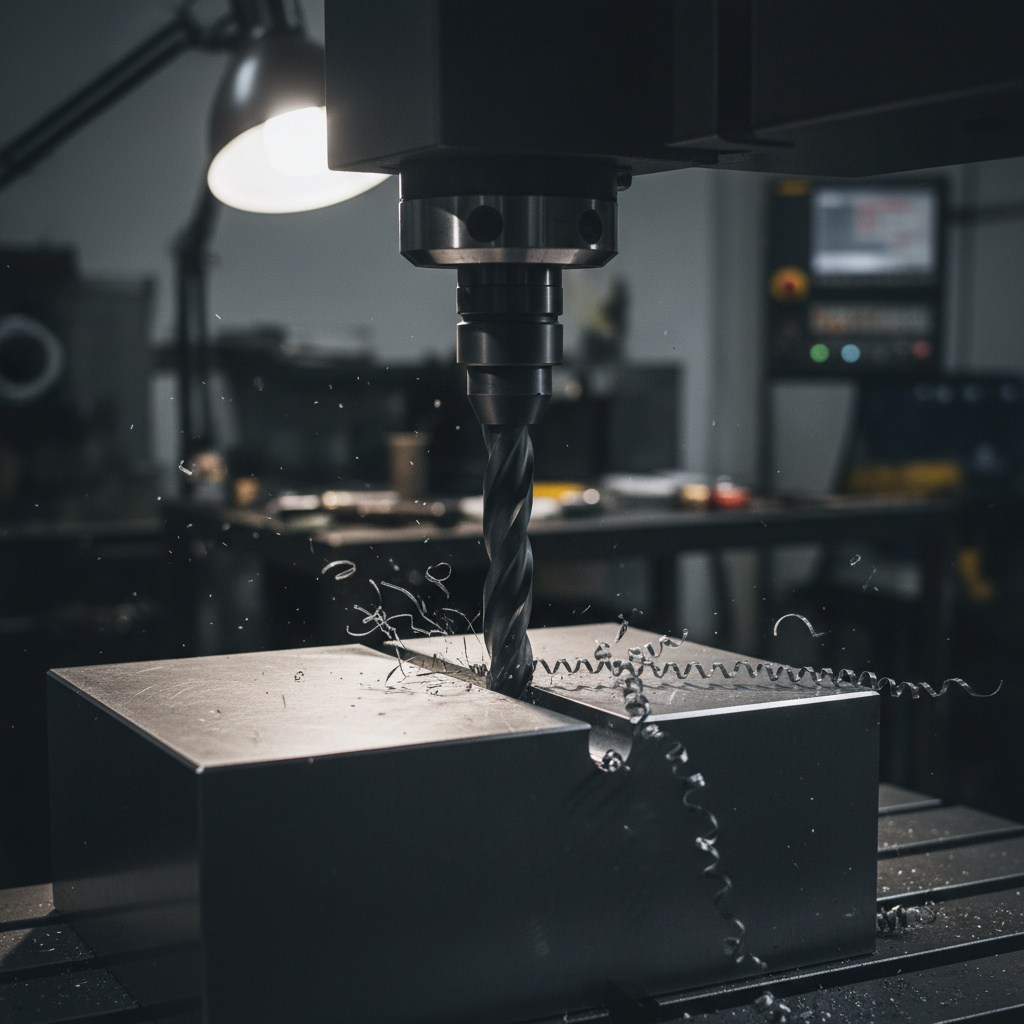
Shortening the supply chain through domestic sourcing provides the necessary foundation, but the true gains occur once those materials reach the shop floor. Efficient shop floor management is critical to reduce manufacturing lead time; every minute a machine sits idle during a changeover is a minute lost to the final delivery schedule. At Duchesne Manufacturing, we implement repeatable production methods designed to minimize the transition time between different project phases. This begins with organized fabrication workstations where every tool and fixture has a dedicated, logical placement to eliminate the waste of searching for equipment.
To further compress production windows, we utilize quick change tools and modular fixturing. These systems allow our team to switch from one custom part configuration to another without the lengthy tear-down and setup procedures that typically stall progress in job shop environments. By treating every changeover as a precision process rather than a chore, we maintain high machine uptime and ensure that your project moves into the processing phase immediately after the previous job concludes.
While it may seem counterintuitive, adopting smaller batch sizes is often the fastest way to lower cumulative lead times for our clients. Large, monolithic production runs often create bottlenecks and delay the point at which the first finished units reach the inspection stage. By increasing order frequency and processing smaller, more manageable quantities, we create a continuous flow through the facility. This lean approach provides dependable manufacturing and production solutions that allow for a steadier delivery of parts, reduces the risk of bulk errors, and enables faster adjustments if your project requirements evolve.
The Role of Precision and Quality Control in Reducing Rework
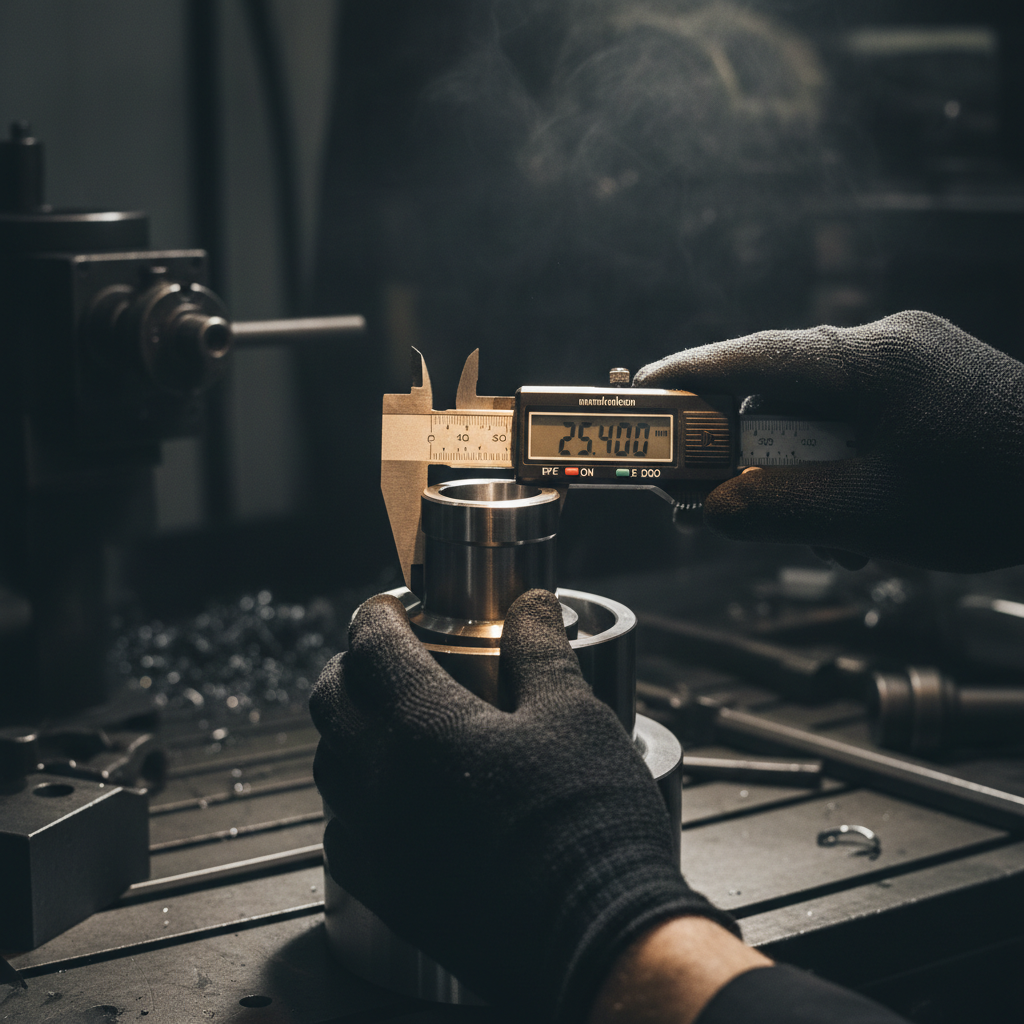
Rework is the most significant hidden cost in custom fabrication. When a part fails inspection, the timeline does not just pause; it restarts. To effectively reduce manufacturing lead time, you must eliminate the rework loop where materials, setup, and labor are expended a second time to correct preventable errors. A single oversight in precision can double the projected delivery window, effectively erasing all gains made through efficient scheduling or sourcing.
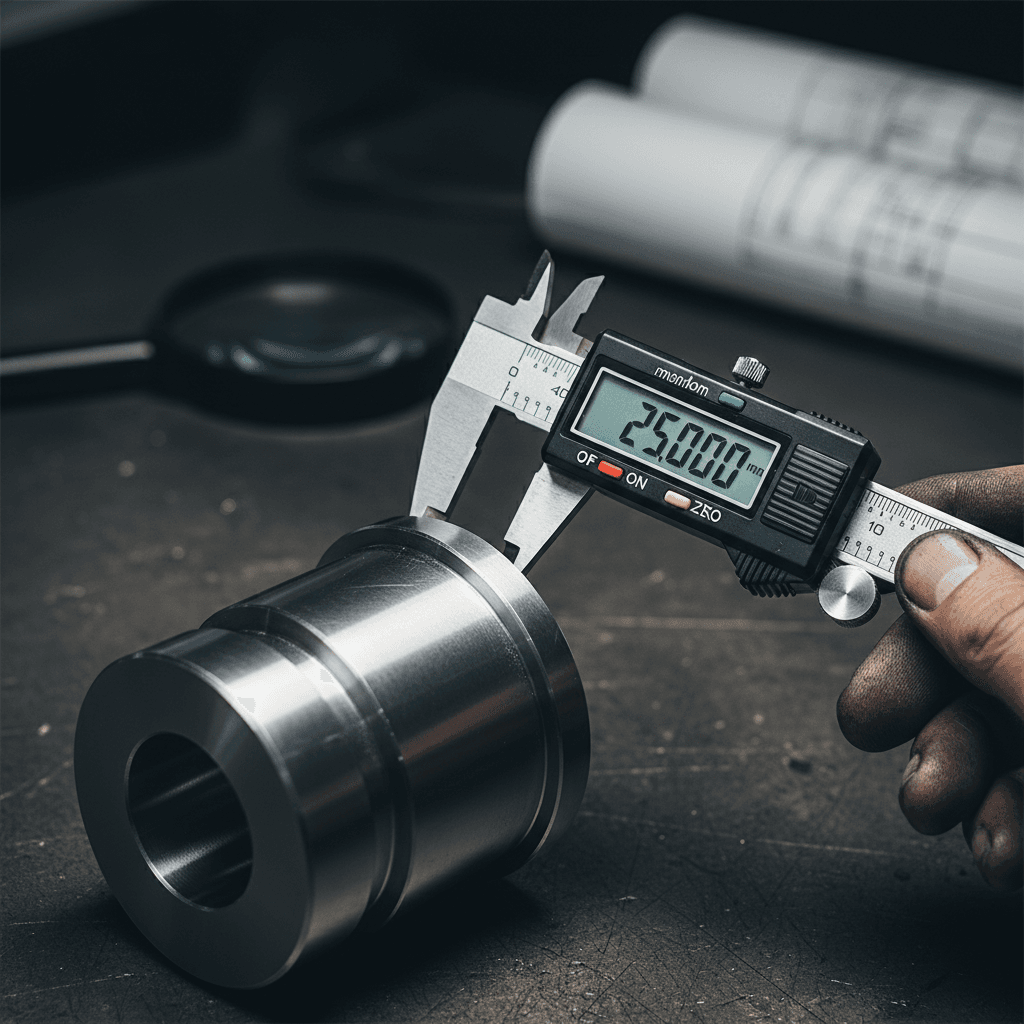
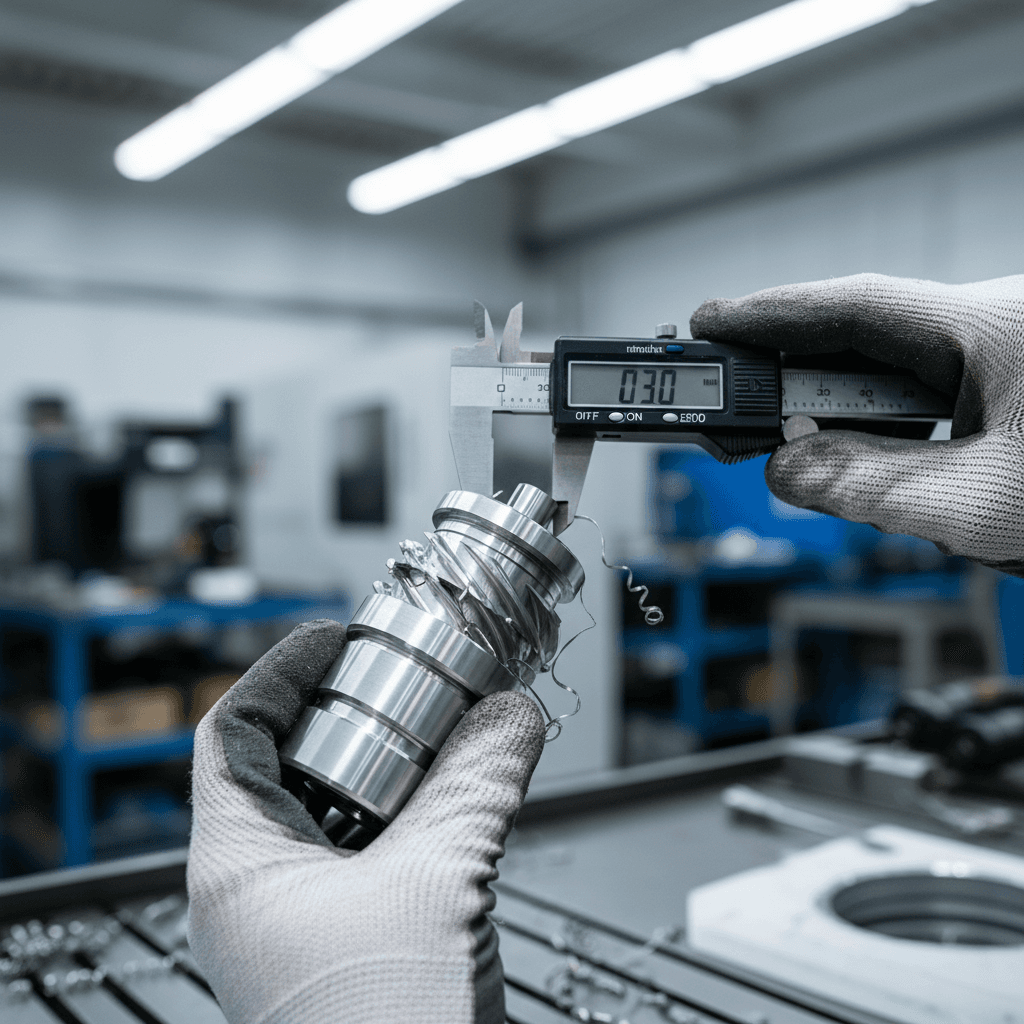
At Duchesne Manufacturing, we view precision measurement as a core component of production speed. Our approach emphasizes getting it right the first time through rigorous in-process inspections and individual accountability. By verifying tolerances at each stage of fabrication, we catch deviations before they compound into systemic failures. This discipline ensures that our dependable manufacturing and production solutions transition seamlessly from the shop floor to the shipping crate without the friction of failed final inspections.
Durability and real-world performance are non-negotiable for components used in demanding industrial environments. High quality standards do not slow down a project; they protect it from the delays inherent in subpar craftsmanship. By integrating quality control into the fabrication flow rather than treating it as an afterthought, we maintain consistent output that meets industry requirements. If you are struggling with inconsistent quality that derails your schedules, you can contact our fabrication team to discuss how our commitment to precision streamlines the entire production cycle.
Common Questions About Reducing Lead Time
Managing the variables that influence how you reduce manufacturing lead time requires addressing specific logistical and operational questions. One common framework used in supply chain management is the 7 Cs: Competence, Capacity, Commitment, Control, Cash, Cost, and Consistency. At Duchesne Manufacturing, we focus heavily on consistency and capacity to ensure your project remains on schedule regardless of broader market fluctuations.
Transparency is another critical factor in successful project management. Modern ERP (Enterprise Resource Planning) systems assist by providing real time data that eliminates guesswork. These systems track material arrival, machine usage, and inspection status, giving both the manufacturer and the client clear visibility into every phase of production. This data driven approach allows for dependable manufacturing and production solutions by identifying potential bottlenecks before they impact the final delivery date.
When considering a manufacturer’s standard lead time, remember that this typically refers to the duration required for repeatable, off the shelf components under normal operating conditions. For custom fabrication, lead times are more variable and depend on material availability and design complexity. If you have specific questions about your project timeline or current shop capacity, contact our fabrication team to receive a precise estimate based on your unique requirements.
Reducing lead times for custom projects involves optimizing workflows and maintaining open lines of communication with your partners. While these strategies provide a strong foundation for improvement, complex manufacturing often requires a more specialized approach. If you want expert help to streamline your production, you can visit our About page to see our history of precision. We are ready to provide the professional support needed to bring your unique projects to life with speed and accuracy.